Rummy Tips: Use a Two-Column Plan for Open and Closed Groups
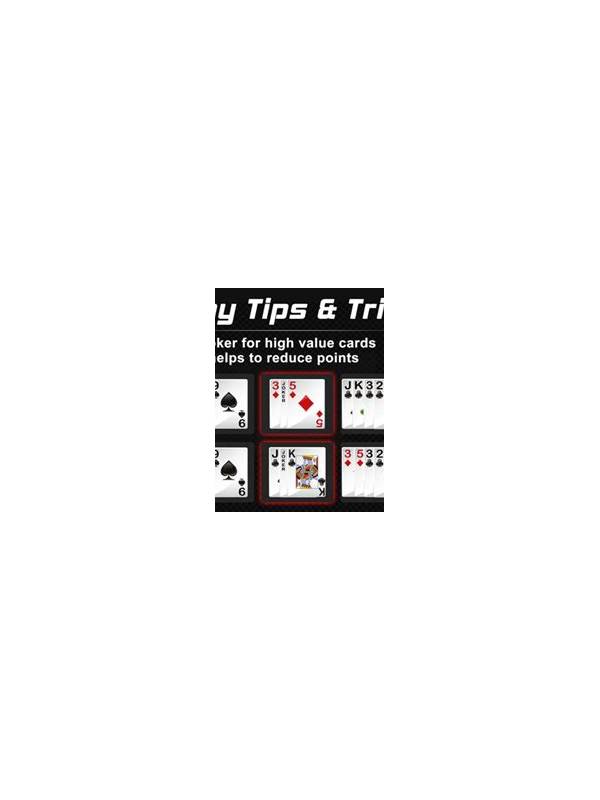
Cards are easier to evaluate when the hand shows which work is finished and which work is still uncertain. A two-column plan is a simple layout: put confirmed groups in one column and developing groups in another. It is especially useful when several cards overlap between possible combinations.
The confirmed column should contain only groups that satisfy the rules of the format. A complete sequence or valid set belongs here. Do not place a group in this column because it looks attractive or because only one card seems missing. The discipline matters because a hand can feel nearly finished while still carrying several unresolved cards.
The developing column contains pairs, connectors, isolated cards, and alternative arrangements. Give each item a short label such as “needs one middle card” or “possible set with two matches.” These labels keep the plan concrete. If one card appears in two possible groups, write both options but mark the overlap. An overlap is not two completed groups; it is one card being asked to perform two jobs.
When a new card arrives, first check whether it completes a developing group. If it does, move that group to the confirmed column and reassess the cards left behind. Then review the developing column from the bottom up. Which idea has the highest repair cost? Which idea blocks a confirmed group? Which card has no plausible role after the latest change? This order makes simplification part of every turn.
The layout also improves discard choices. A card in the confirmed column normally has a strong reason to stay. A card in the developing column must justify its cost and flexibility. That does not mean every developing card should be discarded. Some are valuable connectors, but you should know what evidence supports them and when you will reconsider them.
Try the two-column plan during low-pressure practice first. The goal is not to create a rigid ritual; it is to make uncertainty visible. Once the distinction becomes familiar, you may no longer need a literal layout. You will still benefit from recognizing that a promising group and a legal group are different states, and that the unfinished column deserves active management. Make the columns especially clear with different spaces or symbols in a practice note. Move a group only when the rules and the rest of the hand support the change, not merely because one new card looks related. This prevents optimistic sorting from hiding risk. At the end, count the developing groups and ask whether each has a stated next step.