How to Review a Rummy Hand After the Result Is Known
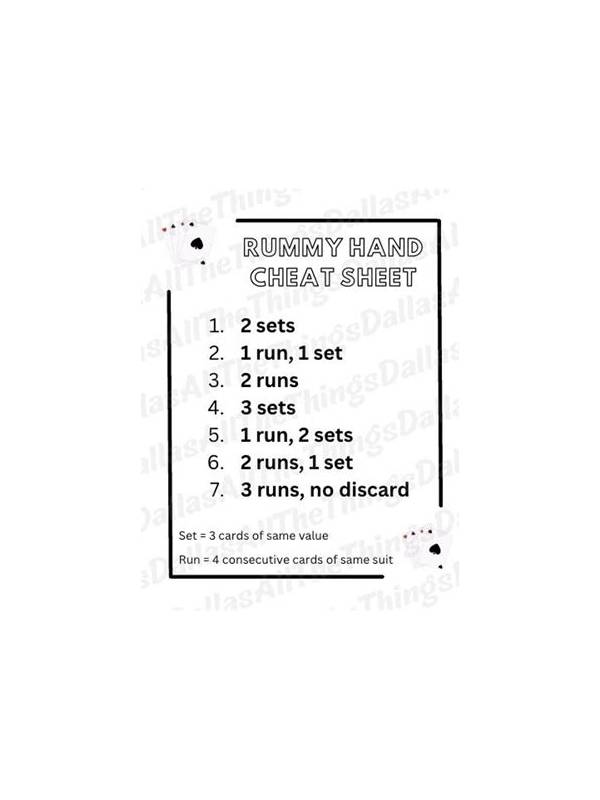
Post-hand review is most useful when it separates decisions from outcomes. A good decision can lose because the needed card never appears, and a weak decision can win because the draw happens to cooperate. Reviewing only the final result teaches the wrong lesson.
Begin by recording the opening shape of the hand. Note any confirmed group, promising connection, high-value loose card, and joker. Then list the first two or three meaningful choices: which card you drew, which card you kept, and which card you discarded. Avoid trying to reconstruct every detail if that makes the exercise tiring.
For each choice, ask what information was available at the time. Did the card complete a valid structure, preserve two routes, or merely look attractive? Did the discard remove a costly loose card? Could a different choice have protected a pure sequence? Phrase the answer in probabilities and options rather than certainty. “This card had two useful connections” is more honest than “this was definitely the winning move.”
Check for shared-card problems. A single card may appear to support both a sequence and a set, but both plans cannot use it simultaneously. If your arrangement depended on that conflict, mark it as a planning error. This is one of the easiest patterns to miss during a fast game because the hand looks richer than it really is.
Review timing separately. A card that was reasonable early may become a liability later when the draw window narrows. Ask when you first knew a plan was unlikely and whether you kept it beyond a sensible deadline. A missed deadline is a more actionable lesson than simply noting that the final declaration failed.
Finish with one small experiment for the next practice session. You might decide to sort the hand into three zones, count only visible suit clues, or set a discard deadline for a narrow draw. Keep the experiment narrow enough to remember. If you take away five rules from one hand, none may guide your next decision.
The purpose of review is better process, not self-criticism. Stop when the review produces a clear lesson. Rummy contains uncertainty, so a calm record of choices is more valuable than a dramatic story about why the result “should” have been different.
Keep reviews private and brief if a competitive setting makes you self-conscious. The value comes from honest observation, not from producing a polished explanation for somebody else. One accurate adjustment is enough for the next hand.