Rummy FAQ: How Does a Dead Discard Change Your Plan?
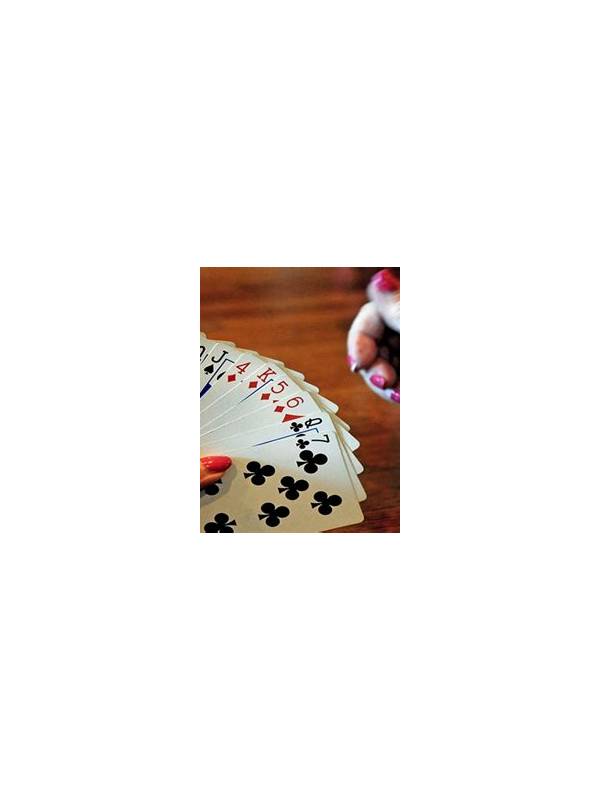
A dead discard is a card that no longer helps your hand, or a card whose useful routes have become too narrow to justify keeping it. It does not mean the entire hand is lost. It means one current idea has stopped earning space, and your next decision should respond to that change.
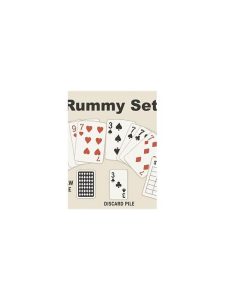
Suppose you hold two connected cards and are waiting for a third, but the most natural completing card appears in the discard pile or is used in a visible meld. The original plan may now be dead. Keeping the pair simply because it looked promising earlier can make the rest of the hand harder to organize. Mark the pair as a candidate for release unless it also supports another strong group.
When a route dies, first protect any completed or nearly completed requirement. In formats that require a pure sequence, avoid breaking one merely to rescue a weak pair. Then compare the remaining cards by flexibility, point value, and distance from completion. A high-value isolated card may be a better discard than a low-value card that still has two practical connections.
The discard pile can also reveal a dead idea in your opponent’s hand. If several cards from one rank or suit are repeatedly rejected, do not treat that pattern as proof of anything. Use it as a small clue. Your own hand remains the primary evidence because opponents may have different objectives or may be discarding defensively.
A useful reset is to describe the hand without mentioning the failed plan. Instead of saying, “I am waiting for a nine,” say, “I have one sequence, one uncertain pair, and three loose cards.” This neutral description makes it easier to choose a new route. Give the replacement plan one or two turns, then review it using the same criteria.
Dead discards are normal in rummy. Strong play is not the absence of failed ideas; it is the ability to recognize them early. Treating a dead discard as information keeps one disappointing card from controlling the decisions that follow.
Practice this reset with a finished hand. Hide the later draws, remove one card from the original plan, and rebuild the remaining hand using only information that would have been visible. This teaches you to value replacement routes instead of replaying the route that failed. Keep the exercise analytical and separate from any decision to spend more time or money playing.