Rummy How-To: Create a Simple Hand Review Scorecard
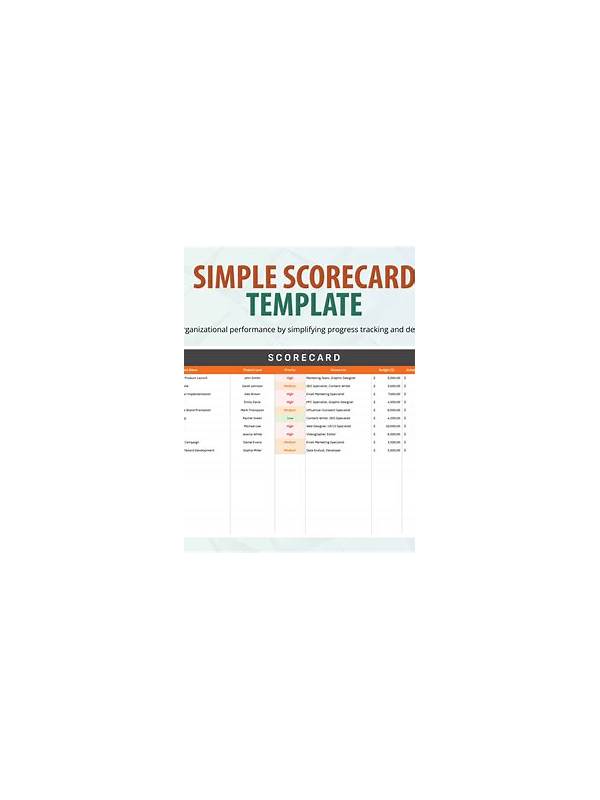
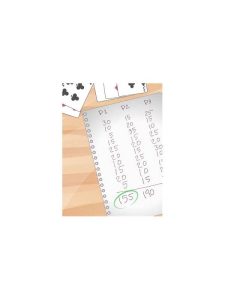
A hand review scorecard turns a vague feeling about a rummy game into a few observable notes. It is not meant to judge your intelligence or predict the next result. Its purpose is to record whether your decisions matched the information available at the time.
Use five headings: opening plan, first major discard, draw choices, risk control, and final review. Under opening plan, write the groups you identified and which requirement you wanted to complete first. Keep the note factual. “I saw a possible heart sequence” is more useful than “I had a good hand.”
For the first major discard, record what you released and the reason. Examples include high points with no connection, a pair whose route narrowed, or a card that blocked a cleaner arrangement. Do not rewrite the decision after seeing later cards. The goal is to preserve the original logic before hindsight changes it.
Under draw choices, note whether you selected from the closed deck or the visible discard pile and what new route the choice supported. If you drew a card because it looked interesting, say so. Honest descriptions make patterns easier to spot. You may discover that you often collect attractive pairs while neglecting a required pure sequence.
Risk control covers the session rather than one card. Record whether you followed your planned time, spending, and break limits. If emotions made a decision feel urgent, mark that moment without using dramatic language. A neutral note can help you recognize the same signal later.
Finish with two questions: what decision would you repeat, and what assumption would you test next time? Limit the answer to one sentence each. After five or ten reviews, look for repeated themes rather than isolated mistakes. Perhaps your first discard is thoughtful but your later turns become rushed, or perhaps you keep low-value cards too long.
A scorecard works best when it remains short enough to complete. It should support learning, not turn every hand into paperwork. Keep personal or account information out of shared notes, and never use the review as a reason to chase a loss. Good review improves process; it cannot guarantee a particular outcome.
If you miss a review, do not recreate the hand from memory in elaborate detail. Mark the record as incomplete and continue next time. Consistency matters more than perfect documentation. A private dated notebook or protected local document is usually enough. Review patterns only after several entries, because one unusual hand says little about your general decision process.