Rummy How-To: Explain a Discard Without Hindsight
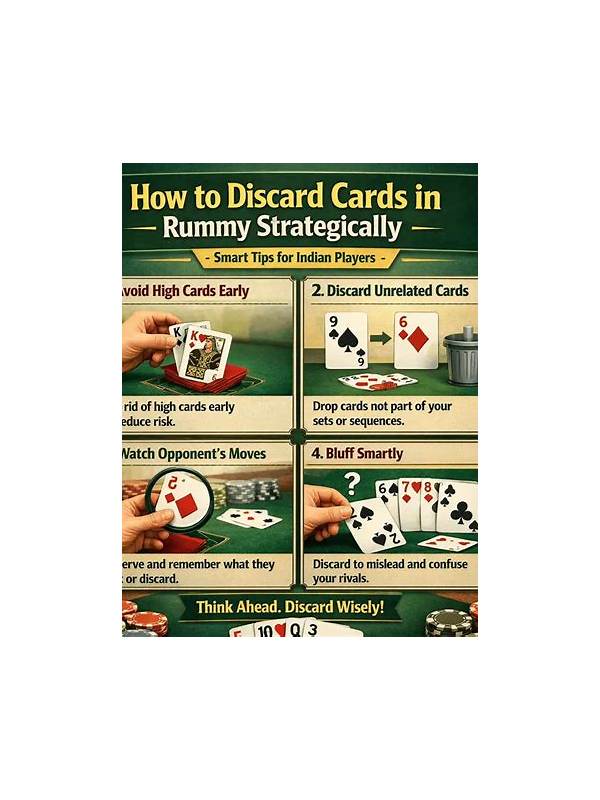
Explaining a discard after the hand is over can improve your decisions, but only if you resist hindsight. Once you know which cards appeared, every successful route looks obvious. A short template helps you describe the original decision fairly.
Start with the state of the hand. List the relevant groups, loose cards, and missing requirements as they looked before the discard. Do not include cards that had not appeared yet. This establishes the evidence available at the time rather than the story created by the final result.
Next state the decision rule. Perhaps you released a high-value isolated card, protected a pure sequence, or abandoned a pair after its route narrowed. Use one sentence. If the true reason was uncertainty or impatience, record that honestly. A review is useful only when it reflects the actual thought process.
Then name the alternative you considered. Explain why you did not choose it, including its possible benefit and cost. You do not need to prove that your choice was correct. You are mapping the trade-off. A discard can be reasonable even when the alternative would have produced a better result by chance.
Finally, identify the information that would have changed your choice. It might be a completed requirement, a visible card, a timer constraint, or a stronger group in the new hand. If nothing would have changed it, the decision may have been routine. If many things would have changed it, your rule may have been too vague.
Keep the review short and avoid using it to justify another immediate session. A neutral explanation separates process quality from outcome luck. Over time, these notes can reveal practical habits worth keeping and assumptions worth testing, without pretending that any single discard determines the entire game.
Use the template consistently for a small sample, then stop and summarize. Look for repeated decision rules, not dramatic exceptions. If a discard was made under a timer, record that context because a choice made with ten seconds remaining should not be judged like a relaxed practice choice. Fair analysis is specific about constraints and modest about conclusions.
Do not use the review to criticize yourself for every missed possibility. Record what was knowable, what was uncertain, and what you would test next. That distinction keeps analysis constructive and makes it less likely that one disappointing outcome will determine your mood or your next session.