Rummy Safety: Keep a Separate Budget for Optional Play
If an online rummy service involves paid entry, deposits, or prizes, money management should be decided before a session begins. A separate entertainment budget can prevent game-related spending from blending into rent, food, savings, or other essential obligations. The budget is a boundary, not a target to spend.
Begin with money you can genuinely afford to lose. Do not use borrowed funds, emergency savings, or money reserved for bills. Choose a time period and a fixed maximum, such as a weekly or monthly amount, and write it down outside the game. A limit that exists only in the excitement of a session is easy to revise when emotions rise.
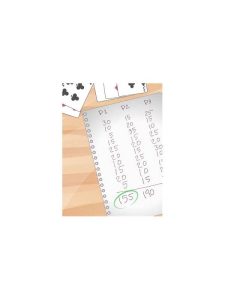
Keep records separate from ordinary household spending. Review deposits, fees, withdrawals, and promotional conditions through the service’s official account history. A simple ledger can show whether small transactions are accumulating. Do not rely on a single balance display if it excludes pending charges or promotional funds with special conditions.
Set a stop rule before beginning. Examples include reaching the budget limit, feeling pressure to recover a loss, or noticing that play is interfering with sleep or responsibilities. A stop rule should be an action you can take immediately: log out, remove saved payment details, or wait until the next budget period. Do not create a rule that depends on winning a future hand.
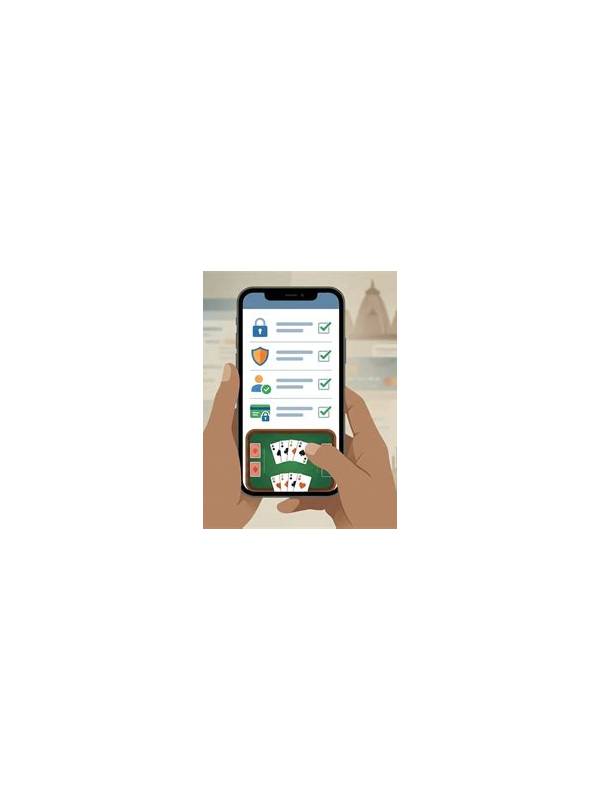
Keep payment security separate as well. Use only supported payment methods, protect account credentials, and review transaction alerts. Never send a password or one-time code to someone claiming to offer a faster withdrawal or a private bonus. If a transaction looks unfamiliar, stop and contact the official provider through a verified channel.
This approach does not guarantee a particular result, and it cannot make a paid activity suitable for everyone. Check local laws, age requirements, and the service’s terms before participating. If staying within a limit feels difficult, take a longer break and seek support from a trusted person or an appropriate local service. A budget works best when it protects everyday priorities first and leaves no need to chase a result.
Revisit the budget only during a neutral period, never immediately after a surprising hand. A calm review can account for changed circumstances, while an emotional review often becomes an attempt to justify another session. If the budget no longer feels comfortable, reduce it or pause completely. There is no obligation to use an amount you once selected.