
Rummy FAQ: What Should You Check Before a Declaration?
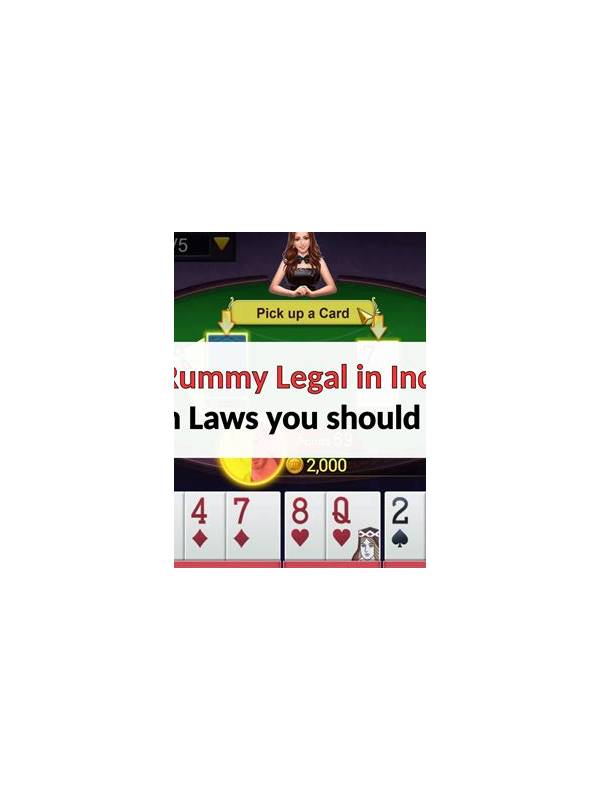
A declaration is a claim that the hand satisfies the format’s requirements. The exact requirements vary, so the first check should always be the rules shown by the table or service. In many Indian rummy formats, a valid hand needs at least one pure sequence and additional valid sequences or sets, but players should verify the current rule set rather than rely on memory.
Start with the pure-sequence check. Read the cards in one proposed sequence from left to right and confirm that they are consecutive cards of the same suit without relying on a joker. A pair that looks close is not enough. A gap, an incorrect suit, or an unrecognized wild-card rule can change the result.
Then inspect every remaining group. For a sequence, check order and suit. For a set, check matching rank and distinct suits where required. Make sure a card has not been counted twice. Digital interfaces sometimes display groups neatly even when a proposed arrangement is not valid, so visual alignment should not replace a manual check.
Review jokers separately. Ask which card each joker substitutes for and whether that substitution creates a legal group. If a joker is being used to complete the only pure sequence, pause: under common rules, that sequence would not qualify as pure. The table’s instructions decide the answer.
Check the count. Count every card once and compare the total with the format’s hand size. An extra ungrouped card can be easy to overlook when several groups are complete. Also check whether the platform requires a confirmation step, because pressing a declaration control may end the round immediately.
Finally, slow down for the emotional check. A promising draw, a recent loss, or a desire to finish quickly can make a player see the hand they hoped to build instead of the hand on the screen. Take one breath, reread each group, and submit only when the evidence is clear.
If a declaration is rejected, note the exact reason and review the hand later. Do not chase the result with hurried play. Use permitted platforms, understand any financial conditions, and keep stakes within a limit you can afford to lose. A careful audit protects both your score and your confidence. It can help to read the groups aloud in your head, using the exact ranks and suits rather than labels such as “almost done.” This small change makes gaps easier to notice. If another player is waiting, remember that a brief pause for accuracy is reasonable.