Rummy FAQ: Why Does a Useful Card Still Belong in the Discard Pile?
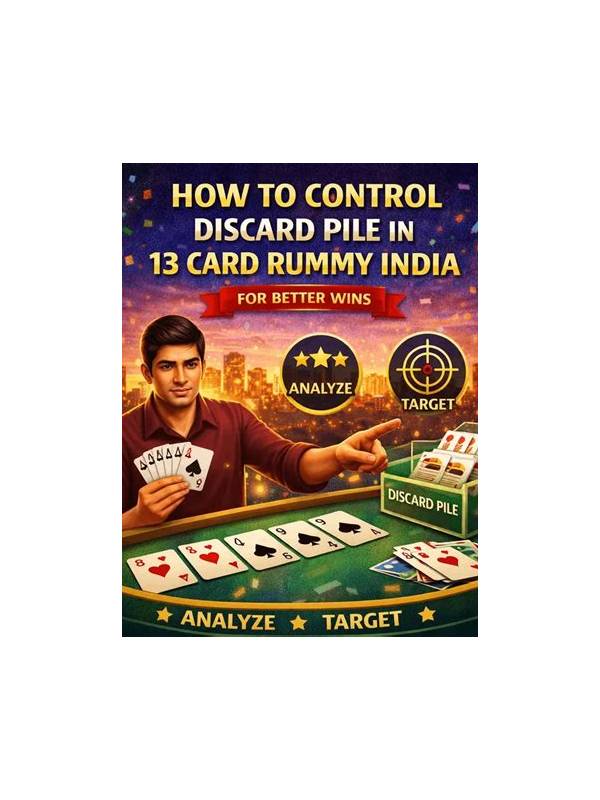
Why can a useful card be discarded?
Because usefulness is relative to the current hand. A card may connect two ranks, match a pair, or fit a suit, but that does not guarantee it is the best card to keep. The question is not whether the card has any possible use. The question is whether its likely benefit is greater than the benefit of keeping another card and whether it creates a clear route to a valid arrangement.
What should I compare?
Compare complete paths, not isolated cards. Suppose one card helps a two-card sequence while another completes a set with a pair already in hand. The second card may be stronger because it supports a more immediate structure. On the other hand, a sequence may be easier to extend than a set if the required ranks are common in the remaining game. The right comparison depends on both the shape of the hand and the number of realistic improvements.
Should high-value cards always be discarded first?
No. High cards can carry more penalty in some formats, so they deserve attention, but value alone is not a complete rule. A high card that is one step from a useful sequence may be better than a low card with no connection. First check whether a card supports a valid route. Then use point exposure and flexibility to break ties.
What about a card that might help the opponent?
That matters, but it should be a factor rather than a superstition. Watch what the opponent takes from the open discard pile and what kinds of cards they repeatedly avoid. If your discard is a likely connector for a visible pattern, consider another option. When there is no reliable clue, do not keep a weak card forever merely because it could theoretically help someone.
How can I make the decision faster?
Use a three-question pause: What group does this card support? How many specific cards would improve that group? What does keeping it prevent me from doing? If the card has no strong answer to the first question, it is a leading discard candidate. If it has one answer but blocks a much clearer route, compare the routes directly.
A good discard is not necessarily a worthless card. It is the card that gives the hand the least useful future after the current information is considered. That standard keeps decisions flexible and explainable. After play, explain the choice in one sentence and compare it with the card you kept instead. This small habit exposes whether you were evaluating the whole hand or simply reacting to a memorable feature. It also creates a record of decisions that can be improved without judging the result alone.