Rummy Practice: Score Decisions With a Simple Evidence Scale
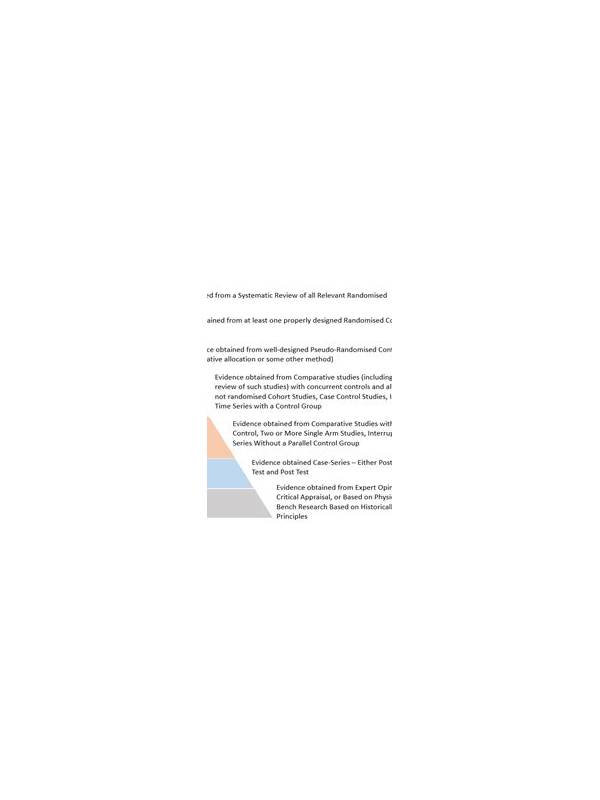
Hand reviews often become unfair because the final result makes every earlier decision look obvious. An evidence scale helps separate what you knew from what you learned later. Use three levels: direct, reasonable, and speculative.
Direct evidence is visible and immediate. It includes the cards in your hand, the legal rules of the format, and a discard that you can clearly see. A choice based on direct evidence can still lose. Losing does not make the choice careless; it means the available information did not guarantee an outcome.
Reasonable evidence combines visible facts with a modest inference. For example, a player who repeatedly releases cards from one suit may be moving away from that route, but you cannot know the complete hand. Mark the inference as reasonable rather than certain. This lets you use information without overstating it.
Speculative evidence is a guess with little support. It may be useful as one possibility, but it should not carry the same weight as a visible card. If your plan depends on several speculative assumptions, widen the route or choose a safer decision. Labeling the guess makes it easier to abandon.
After a hand, choose one important turn and write the evidence level beside each option. Then ask whether your final choice matched the strongest available evidence. If you chose a speculative route because it was exciting, note that separately from whether it worked. This distinction is the main value of the exercise.
The scale also improves communication. When discussing a hand with a friend, saying “I had direct evidence for this discard but only a speculative read on the opponent” is clearer than claiming the opponent must have held a particular card. It encourages useful debate about decisions instead of arguments about hidden facts.
Practice with old hands or randomly generated examples. Do not use the exercise to produce a perfect score. Its purpose is calibration. Over time, you will notice whether you routinely treat guesses as facts or ignore useful visible clues. A better review is one that represents uncertainty honestly and still produces a practical next step.
You can make the scale visible with three marks in a notebook: D for direct, R for reasonable, and S for speculative. At the end of a practice block, count how many important choices relied on each level. A high number of speculative choices is not automatically bad, but it signals that you should look for a wider route or a clearer checkpoint. The scale is a prompt for better questions, not a grade on your ability.