Rummy Safety: Use a Cool-Down Timer After a Loss
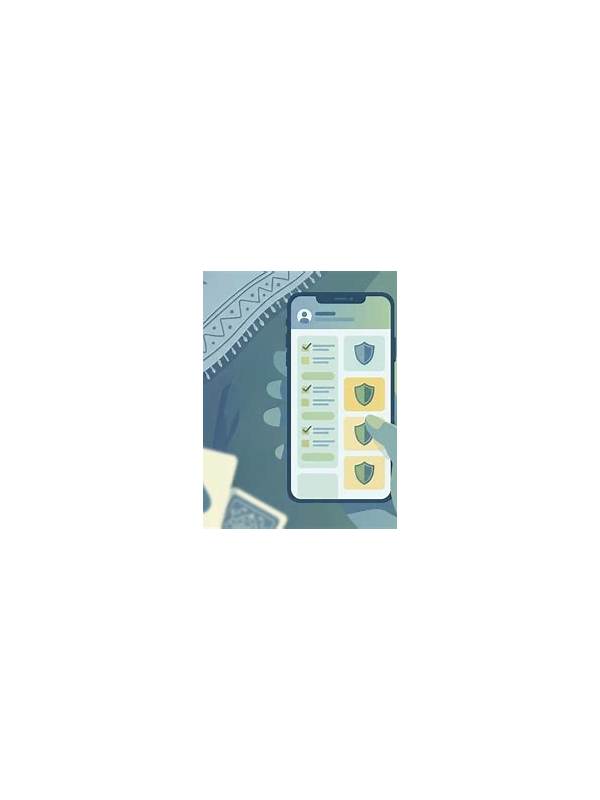
A loss can make the next decision feel urgent, especially when you believe the result should be recovered immediately. A cool-down timer is a simple boundary: after a defined loss, close the table and wait before deciding whether to play again. The timer protects the decision process, not the outcome.
Choose the rule while calm. It could be a ten-minute break after one frustrating hand, a longer break after reaching a preset loss limit, or an end to the session for the day. Write the rule somewhere visible before play. Do not wait until you are upset to negotiate with yourself about what counts.
During the break, leave the game interface. Stand up, drink water, and do something unrelated to cards. Avoid reviewing the next table or searching for a way to recover the loss. The objective is to reduce urgency and return attention to ordinary activities. If you cannot step away, that is a signal to extend the break or end the session.
When the timer ends, check your state rather than your score. Are you still thinking about proving something? Are you tempted to increase the amount at risk? Do you feel rushed, angry, or unusually confident? Any of these signs suggest that continuing is not a neutral choice. End the session and seek support if stopping feels difficult.
Keep a neutral note about what triggered the break, without recording private financial details in an insecure place. Over time, the notes may show patterns such as late-night play, repeated chasing, or sessions that begin when you are already stressed. Use that information to strengthen your limits.
A cool-down timer is effective because it makes stopping automatic. Good safety boundaries are easier to follow when they are decided before emotion enters the room.
You can pair the timer with a practical interruption: make tea, take a short walk, or message a trusted person about an ordinary topic. Avoid using the break to calculate how much would be needed to return to the previous balance. That calculation keeps attention tied to recovery. The safer question after the break is whether continuing fits the plan you made before the loss. If continuing still feels uncertain after the timer, end the session and decide another day. The break should interrupt the urge to recover, not become a calculation about how much more to risk. Treat stopping as a valid result of the safety plan.