Rummy Guide: Understand Sequence Gaps and Bridge Cards
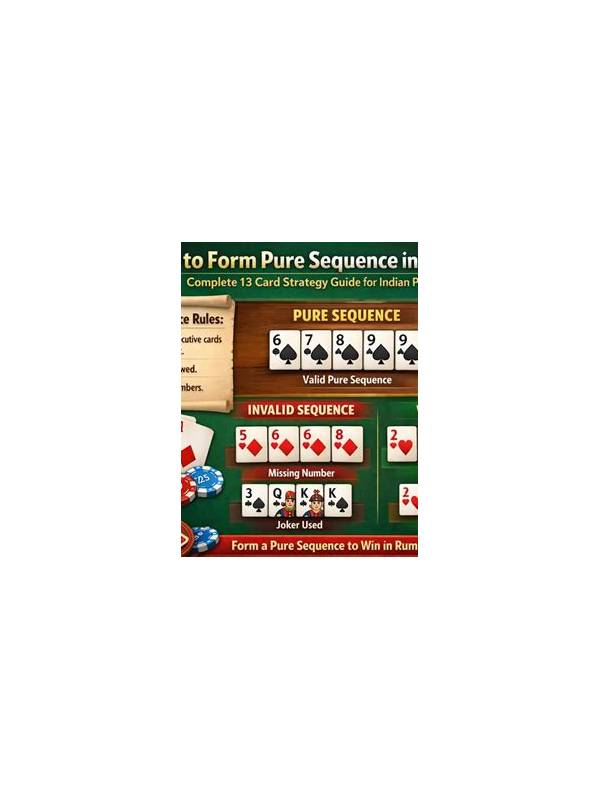
Bridge analysis is therefore a tool for choosing limits, not a promise that a particular card will arrive. That distinction keeps planning realistic. It also makes discarding easier because you can name which dependency you are releasing.
Not all incomplete runs are equally useful. A pair with one missing middle card behaves differently from two cards separated by several ranks. Learning to describe the gap makes it easier to decide whether a route is flexible, narrow, or ready to be abandoned.
A bridge card is a card that connects two cards already held. For example, cards on either side of a missing rank can become a sequence when that rank arrives, depending on the rules and suit. The bridge has a specific job and may be valuable, but it can also become a trap if too many other cards depend on it. Count how many roles the card has before protecting it.
Small end gaps offer another kind of possibility. A connected pair may accept a card on one side, two sides, or neither side depending on its ranks. List the actual improving cards rather than calling the group “close.” A group that can improve in several distinct ways generally deserves more flexibility than one waiting for a single exact card.
When a hand contains multiple gaps, compare their overlap. Two routes that need the same bridge card are less independent than they appear. A draw that helps one may leave the other unchanged. If a bridge card also has value in a set, note that competition before deciding to hold every surrounding card.
Review gap quality after each draw and visible discard. A route can improve when one missing card arrives, but it can also become less attractive when the remaining bridge is seen leaving the pile. The goal is not to fill every gap. It is to choose the gap with the clearest evidence and the most useful alternatives. You can practice this skill with a simple exercise. Deal several partial runs, label each missing card, and rank the routes by the number of useful improvements. Then remove one bridge card from the imaginary pool and reassess. This reveals which groups depended too heavily on a single point. A route with a bridge that also supports a second group may still be worth holding, but only when the overlap is intentional. Naming the dependency makes it easier to set a deadline and discard the surrounding cards when the evidence stops improving.