Rummy How-To: End a Session With a Useful Review
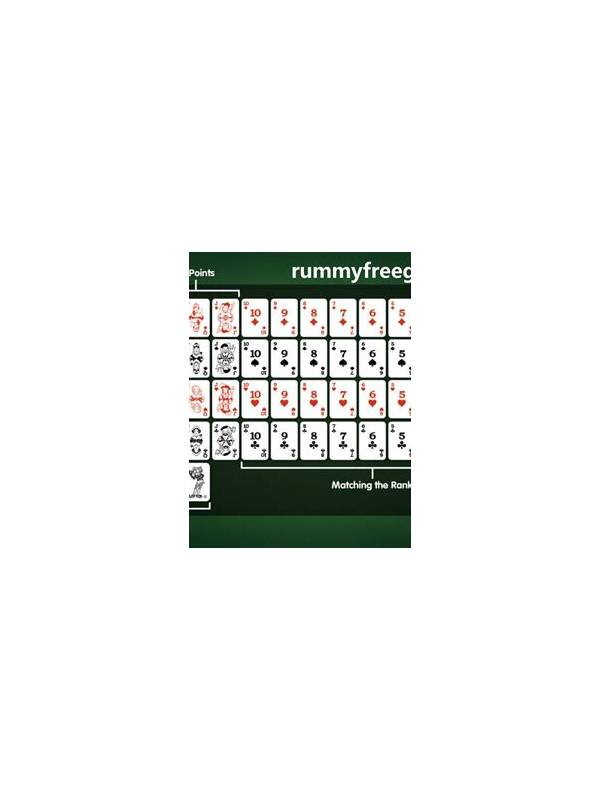
An end-of-session review should take only a few minutes. Its purpose is to capture one or two lessons while the hand decisions are still clear, then close the session. It should not become a reason to continue playing after your planned time or spending limit. Learning and stopping are both part of a disciplined routine.
Start by recording the session boundary: how many rounds you played, whether you stayed within your preset limit, and how focused you felt. Keep outcome and process separate. A win may contain a poor decision that happened to work, while a loss may follow a sensible plan that met bad draws. This distinction makes the review more honest.
Choose two hands to examine. For each, write the first decision that shaped the route, the moment you changed plans, and the final unresolved group if there was one. Look for a repeated pattern such as holding decorative pairs, delaying a discard, or failing to protect a required pure sequence. One repeated pattern is enough for the next practice goal.
Write the goal as an observable action. “Play better” is too vague; “label every uncertain card before the next draw” can be tested. Keep the goal small so it does not compete with the basic rules or make the session stressful. If you use a decision log, attach the new goal to a simple field and review it after the next session.
Close the app, secure the device, and take a real break. Do not replay immediately to recover a disappointing result or prove that a new idea works. If the session produced strong frustration, fatigue, or an urge to chase losses, treat that as useful safety information and stop longer. A brief review is successful when it leaves you with one clear lesson and no pressure to keep playing.
If you played with others, respect their privacy in your notes. Record your own decisions and publicly visible information, not another player’s personal details. Store the review somewhere secure if it mentions account activity or spending. A useful learning record should not create a new privacy problem.
End with a neutral closing sentence, such as next time I will review completion distance before discarding. Then move to a different activity. The separation helps the lesson settle and prevents the review from becoming an emotional replay.
A review can include one positive observation, such as a clear discard or a timely break from play. Recognizing what worked keeps the process balanced and factual. Then close the session completely. A useful lesson is one you can carry into a future practice session without needing to reopen the app immediately.