Rummy Tips: Use a Route Scorecard Without Chasing Precision
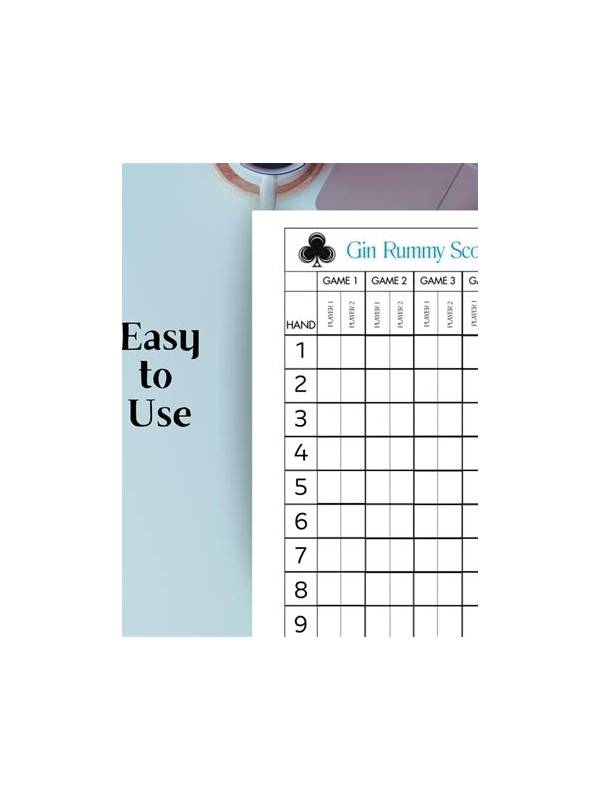
When several meld plans compete, a scorecard can make the comparison clearer. It does not need complicated probability estimates. Use a small set of categories and rate each route as strong, medium, or weak. The goal is consistent thinking, not mathematical decoration.
Score legal strength first. Can the proposed arrangement become a valid meld under the rules, and does it leave a legal remainder? A route that looks attractive but cannot support a valid declaration should be removed immediately. Next, score completion breadth: how many realistic cards can improve or finish the route? Count plausible cards, not every card that is theoretically possible.
Add a fallback score. If the needed draw does not arrive, can the cards join another structure, or will they remain stranded? A route with a good fallback deserves more patience than one that collapses after one miss. Finally, score discard impact. Does pursuing this route force you to release a card that may help an opponent or remove your safest exit?
Keep the categories separate before making a final judgment. A route might have strong legality, medium completion breadth, weak fallback, and low discard impact. Another might be medium in legality evidence, broad in completion, and strong in recovery. The pattern is more useful than a single invented total. If you do use a total, treat it as a prompt for discussion with yourself, not a measurement of certainty.
Review the scorecard when the hand changes. New visible cards can weaken completion breadth, while a fresh draw can improve fallback value. Avoid chasing precision by continually recalculating tiny differences. If one route is clearly stronger, act. If the scores are close, choose the route that preserves more legal options and set a review deadline. The scorecard should reduce noise, not create another source of it. Do not assign a strong rating simply because a route has many cards near one another. Verify the suit, rank order, and legal grouping first. Also avoid assigning a weak rating because a route is not immediately complete; some broad routes are intentionally valuable for their recovery options. The scorecard works best when each rating has a short reason. “Strong because two legal draws help” is useful. “Strong because it looks good” is not. Use the scorecard to expose disagreement between categories. A route with strong completion but poor recovery needs a deadline; a route with moderate completion and strong recovery may deserve patience. That distinction is often more useful than a summed score.