Rummy Tips: Use a Route Scorecard Without Overfitting
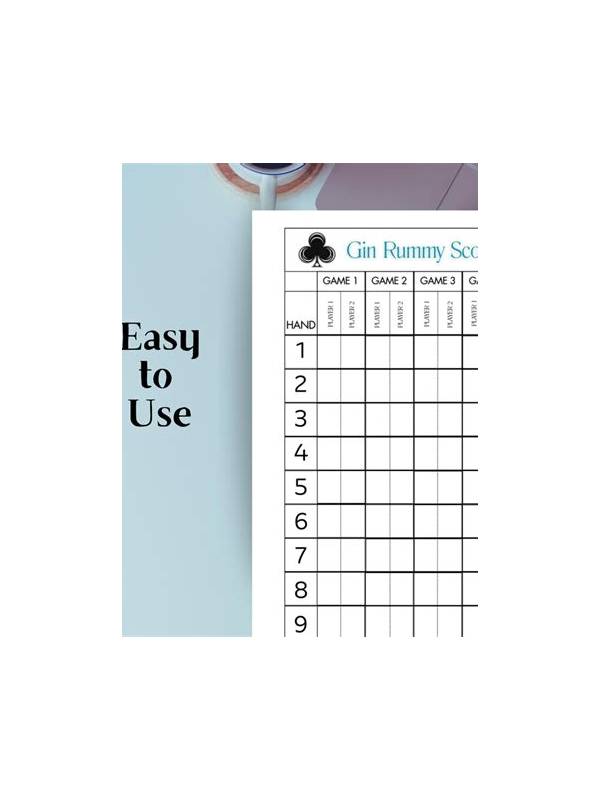
A scorecard can make competing rummy plans easier to compare, but a detailed-looking number can create false confidence. The goal is not to predict the future precisely. It is to expose the main differences between routes before you choose a discard.
Use four simple categories: current legality, useful draws, unmatched risk, and recovery ease. Give each route a low, medium, or high mark. Current legality asks how close the route is to a confirmed legal structure. Useful draws asks whether several plausible cards improve it. Unmatched risk asks how many points or awkward cards remain if the plan fails. Recovery ease asks whether you can change direction without rebuilding the whole hand.
Do not add ten more categories just because two routes look tied. More detail can make weak assumptions appear objective. If you need a tie-breaker, use the question that matters most now: which route produces a clear next discard, or which route protects a required sequence? A focused question is usually better than a complicated formula.
Separate observations from assumptions. “Two connected cards are visible” is an observation. “The missing card is still available” is an assumption. Put assumptions in parentheses so you remember that the score may change. If new evidence arrives, revise the mark instead of defending the old number.
A scorecard is most useful before a commitment. Compare the route you are considering with a simple fallback, such as reducing unmatched points or protecting a confirmed group. If the ambitious route wins only because of a hopeful assumption, the fallback may be the more disciplined choice.
After the round, compare the scorecard with the information you had at the time, not only with the result. Did a low-rated route succeed because of a fortunate draw? Did a high-rated route fail despite sound structure? Outcomes help refine your categories, but they should not rewrite the evidence retrospectively.
Keep the card short enough to complete in under a minute. Its value comes from slowing down one important decision, not from turning every turn into paperwork. Used lightly, it helps you notice trade-offs; used rigidly, it can hide uncertainty behind numbers.
One useful safeguard is to write the reason for each mark in two or three words: “confirmed group,” “many helpers,” or “awkward fallback.” Those notes keep the scorecard honest and make later review possible. If the reason cannot be stated briefly, the route may be too vague to score and should be treated as uncertain instead.