Rummy Comparison: Paper Sorting Versus Digital Sorting
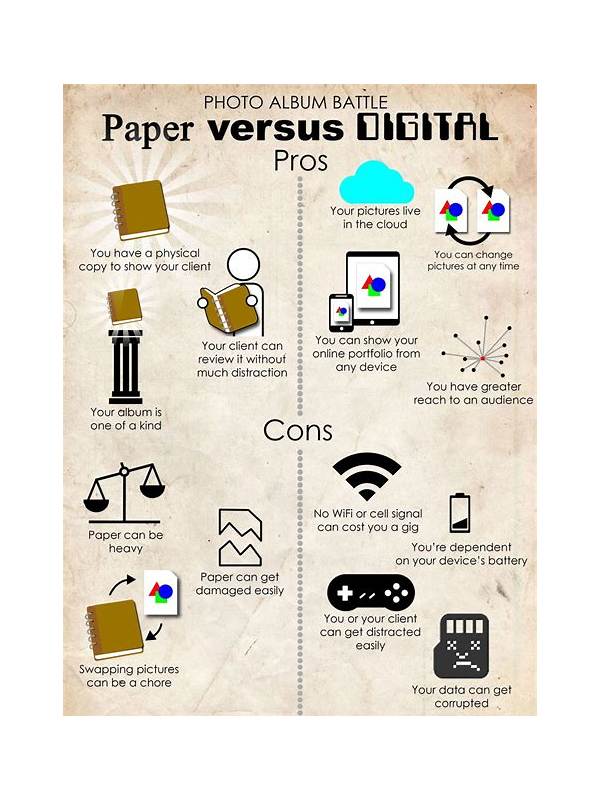
Paper sorting and digital sorting can both teach useful rummy habits. The better method is the one that makes relationships visible, keeps you within the rules, and does not add distractions. They are practice tools, not substitutes for understanding the table interface or the specific variant being played.
Paper has one major advantage: it slows the hand down. You can write each card, draw lines between potential groups, and cross out routes that fail a rule. This is useful for beginners who routinely miss a pure-sequence requirement or forget why a card was retained. Paper also makes it easy to compare two plans side by side without accidentally moving the real hand.
Digital notes are faster and easier to repeat. A spreadsheet can list cards by suit, rank, possible group, and discard cost. A simple note template can record the opening hand, the chosen route, and the result of a practice round. Digital practice is useful when you want to review many examples or search for recurring mistakes. Keep the template simple; elaborate tracking can become a new distraction.
Paper is usually better for learning visual grouping and legality checks. Digital tools are often better for reviewing patterns over time. Neither should supply unauthorized hints in a live game. If a tool calculates every choice for you, it may improve short-term results while weakening your own card recognition and decision-making.
Use the same review questions in either format. Which group was secure? Which card had the highest replacement cost? What did the draw actually improve? Did the final arrangement satisfy every rule? Record uncertainty as well as success. A route that happened to work is not necessarily a route that was well supported.
For a balanced routine, use paper for ten-minute focused drills and digital notes for weekly review. Keep personal information out of shared documents, and do not upload screenshots or account details to untrusted services. The aim is clearer thinking, not a more complicated record system.
Whichever method you use, preserve the original example before editing your analysis. A dated copy lets you see how your reasoning changed and prevents hindsight from quietly rewriting the opening hand. If a template takes longer to complete than the review itself, remove fields until the record supports a real question. For live play, arrange cards in the way that lets you scan groups quickly. A tidy display is helpful only if it remains easy to verify after each draw.