Rummy Set Building When Suits Are Already Occupied
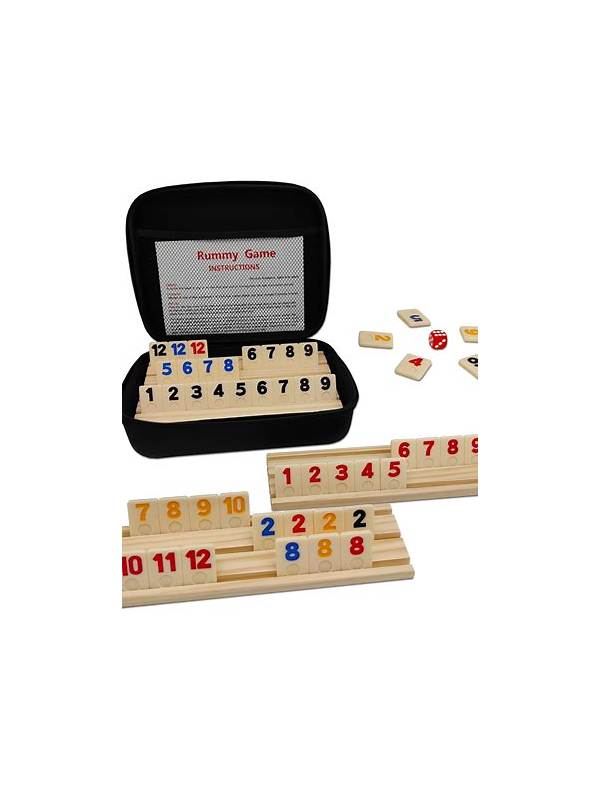
A rank set can look attractive while still creating a problem: each card may already be useful in a same-suit sequence. When suits are occupied, build a set only after checking what the exchange does to the rest of the hand.
Suppose you hold two cards of the same rank in different suits and a third matching rank appears. Before grouping them, inspect the neighbouring cards in each suit. One may be part of a nearly complete pure sequence. Breaking that path to form a set can leave you without a required structure. The strongest group is not always the one that becomes complete first.
Mark each card’s possible jobs. A card with two useful neighbours has sequence value; a duplicate rank has set value. If one card has both, decide which role is harder to replace. A set may need only one more matching rank, while a sequence may need a particular connector. The answer depends on the visible cards and the rules of the table.
Jokers can change the comparison. A wild card may complete the set, allowing natural cards to remain in a pure run. But using a joker on a set is not automatically efficient if the same joker could finish an incomplete sequence. Compare the completed structures and the cards left over, not just the excitement of making a group.
When the hand is crowded, leave one temporary card unassigned rather than forcing every card into a group. Re-sort after each draw and look for a clean separation. A temporary set can remain a candidate without becoming a commitment.
Before declaring, verify that the final arrangement uses each card once and meets the required pure-sequence condition. Set building is a useful tool, but it works best as part of a whole-hand plan. The question is not whether a set is possible; it is whether it improves the complete legal arrangement.
This comparison is especially helpful when a duplicate rank arrives late. The new card may complete a set, but it may also be the connector that makes a pure sequence possible. Pause before accepting the first obvious group. Place the cards in both candidate arrangements, then look at the leftover cards. The arrangement with fewer isolated cards and a valid required sequence is usually the more practical one. If neither option is strong, keep the card temporarily and gather more information rather than forcing a permanent assignment.