Rummy FAQ: When Is a Hand Ready for Final Review?
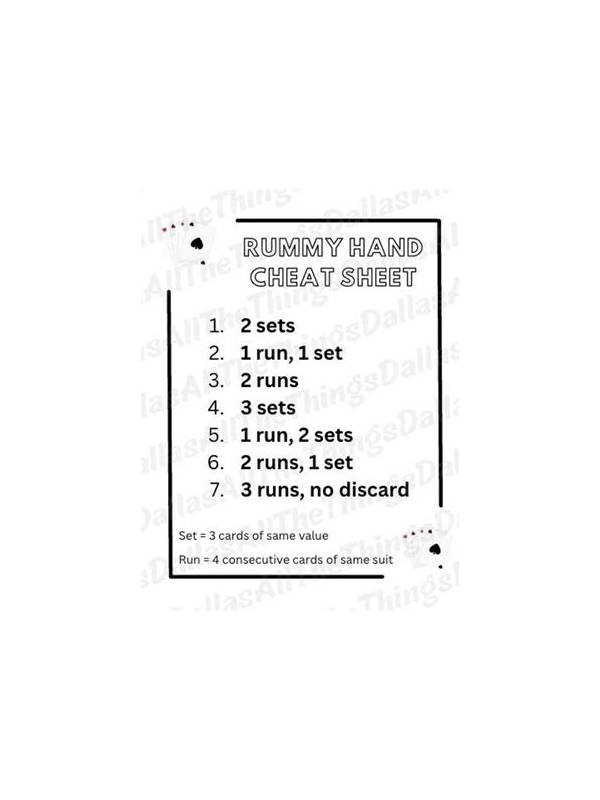
A hand is ready for final review when you can describe every card’s role. Some cards may be in confirmed sequences, some in valid sets, and some outside the arrangement waiting to be discarded. If you cannot explain a card, the hand is not ready for a declaration, even if the layout looks complete.
Start with the required groups for the format. Check natural sequences before groups that use jokers, because a joker can hide a missing requirement. Confirm suit and rank continuity, and make sure each card appears only once. If the platform provides a validation tool, use it as an aid while still understanding the warning it displays.
Next, count the cards outside valid groups and consider their point value. A low-point leftover may still invalidate a declaration if the rules require every card to be arranged. Do not treat a tidy visual sort as a legal check. The arrangement and the rule are separate questions.
Finally, check the action itself. Make sure the intended declaration or submission control is selected, the correct table is active, and there is enough time to correct a mistake. If you feel rushed, prioritize the required sequence, joker treatment, and duplicate-card check before anything cosmetic.
Readiness is therefore a standard, not a feeling. When every card has an accounted-for role and the format’s conditions have been checked, you can act with more confidence. If one part remains uncertain, pause and consult the official rules rather than allowing the appearance of completion to decide for you. You can rehearse final review with a paper layout or a practice mode that does not involve money. Deliberately include one missing sequence, one duplicate assignment, and one joker-based group, then identify the problem in order. This makes the check familiar before the timer adds pressure. If the service’s validator and the written rules appear inconsistent, save the exact warning and ask official support; do not repeatedly submit guesses. Also check whether the table has a separate confirmation step, because selecting a group is not always the same as declaring. Readiness means understanding both the cards and the interface action. The same standard works in practice and competitive settings: account for every card, verify the rule, and act only when the intended submission is clear.