Rummy FAQ: Why Is the Discard Pile Useful but Uncertain?
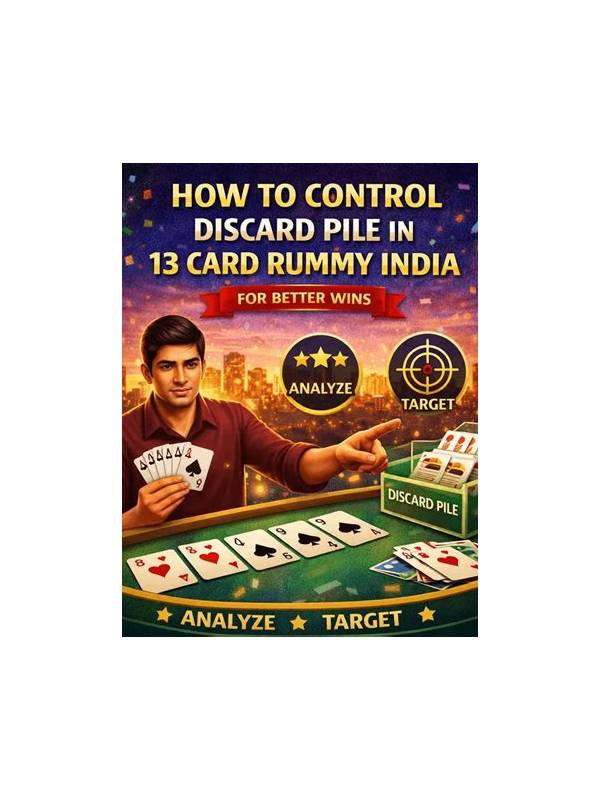
The discard pile is useful because it shows which cards have appeared, but it is uncertain because it does not explain why they were discarded. A player may reject a card that is valuable to you, or discard a card while holding a stronger route. Treat the pile as public evidence about availability, not as a complete description of another player’s hand.
Begin with direct information. Cards that are visible are no longer hidden in the same way, and duplicate copies may still exist depending on the deck and rules. If a card you need has been discarded, reduce the number of unseen possibilities, but do not erase the route immediately. The importance of that reduction depends on how many other cards can complete your sequence or group.
Look for patterns across several turns. One discarded card says little. Several cards from one suit, neighboring ranks, or repeated values may suggest that certain routes are less contested, though even this is only a clue. A player can change plans, and multiple players can have different reasons for discarding similar cards. Avoid turning an observation into a confident story about intent.
The pile also affects the choice between drawing from the closed pile and taking a visible discard. A visible card can improve your hand immediately, but it may reveal what you are building. A closed draw hides your intention but offers less control. Compare the actual improvement, the information you reveal, and the risk of helping an opponent. The right answer depends on the current hand, not on a permanent preference.
Do not chase a card just because it is visible. Ask whether it completes a legal structure or only makes a future possibility look attractive. If taking it forces you to keep an expensive card or abandon a required pure sequence, the apparent gain may be misleading. A useful card still has to fit a complete plan.
After the game, review one discard-pile prediction you made. Was it based on multiple facts or one dramatic card? This reflection improves calibration. The pile is a conversation with missing sentences: it can guide a careful decision, but it should never replace direct evaluation of your own cards and the rules.
Remember that a discard pile is not a promise about future access. A card may be visible now but unavailable later, and a hidden copy may never appear. Keep the pile in perspective: it narrows possibilities, yet it cannot remove uncertainty from the draw.