Rummy Comparison: Drawing From the Pile or the Deck
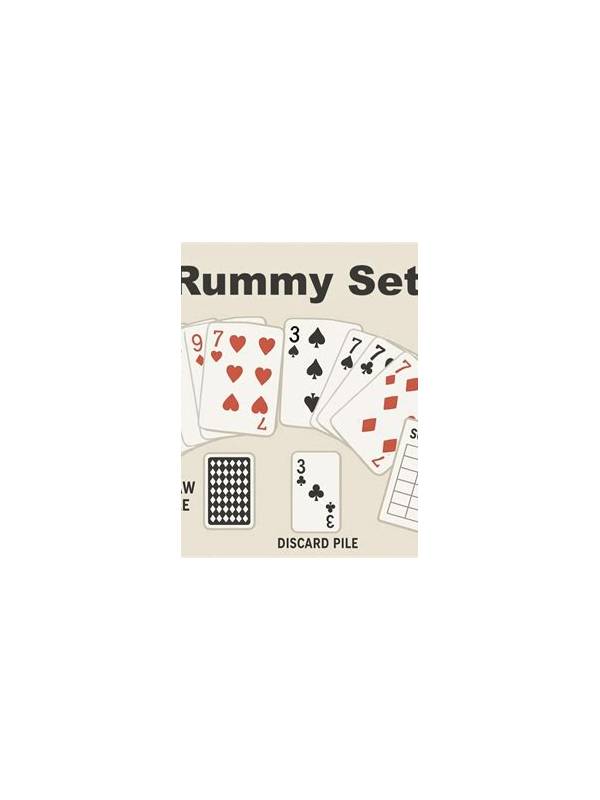
Choosing between a known discard and an unknown deck card is more than a question of which card looks useful. The two sources carry different information. A discard can improve your hand immediately, but taking it may reveal part of your plan. A deck draw conceals your intention, yet it provides no guarantee of improvement.
Start with the card itself. Take from the discard pile when it creates or strongly supports a legal combination and the information it reveals is acceptable. A single needed connector may be worth showing if it turns a weak hand into a structured one. Be more cautious when the card only preserves a vague possibility or when picking it up forces you to keep several related cards that still need more help.
The deck is often preferable when the visible card has little value, when your hand has multiple reasonable routes, or when exposing a particular suit or rank would make your future discards easy to read. Concealment is not a goal by itself, however. Keeping your hand hidden while holding disconnected cards can be worse than accepting a visible improvement.
Timing changes the comparison. Early in a hand, you may accept uncertainty because there is time to build. Later, a known card that completes a safe structure may deserve priority. Conversely, a late pickup can be dangerous if it adds a card that looks useful but leaves no room to verify your declaration.
Use a short decision test: What does the known card complete? What does taking it tell other players? What is my best discard afterward? If the answer to the first question is weak and the third is uncomfortable, draw from the deck. If the card materially improves your structure and you can explain the information cost, take it deliberately. Neither source is always better; the right choice depends on improvement, exposure, and recovery. Remember that the discard pile is also a record of what has been refused or accepted. Its information value changes as the hand develops, so avoid using one fixed rule such as always taking a visible card or never revealing a suit. In a practice review, compare the choice you made with the best alternative available at that moment. This keeps the lesson tied to the decision rather than to whether the next unknown card happened to be helpful. The choice should remain connected to your hand’s needs, not to a habit about one source of cards.