Rummy Guide: Measure Hand Progress Without Counting Cards Alone
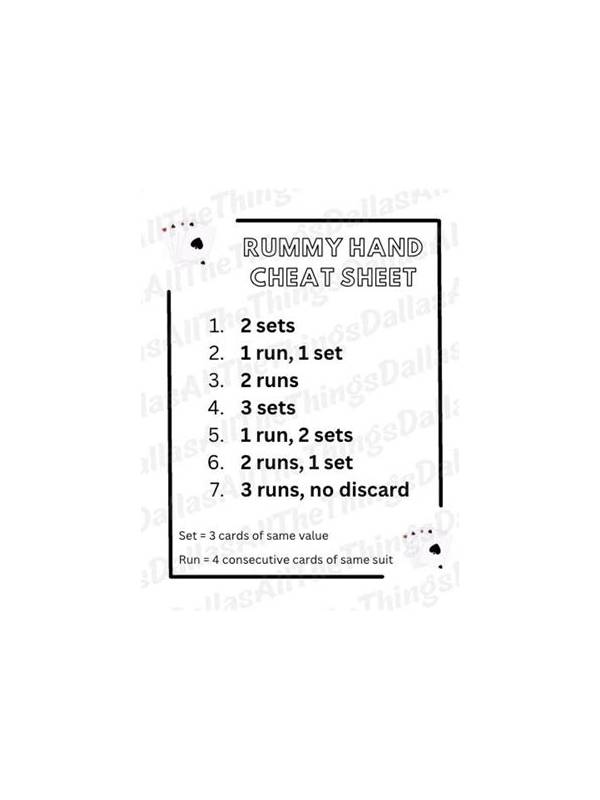
Counting connected cards is a quick way to describe a hand, but it is an incomplete measure of progress. Five cards can look close while depending on one unavailable rank, while four cards may already form a strong legal structure. A broader progress check gives you a more reliable picture.
Start with legality. How many cards belong to combinations that already satisfy the format’s requirements? Separate confirmed sequences and sets from pairs, gaps, and hoped-for connections. This prevents a visually tidy hand from receiving credit it has not earned.
Next, check flexibility. A card is flexible when it can support more than one realistic route without being required by all of them at once. Flexibility should not be confused with clutter. If many cards depend on the same missing card, the hand may have several drawings on paper but only one practical path.
Consider penalty and replacement burden. High-value loose cards can make an unfinished hand expensive. A lower-value card may still be a problem if replacing it would break a confirmed combination or require a narrow draw. Ask what you could discard next without damaging the best structure. A hand that has a clear fallback is often healthier than one with more connections but no safe release.
Finally, include time and information. Early progress can be measured by whether the hand has a promising direction. Late progress should focus on whether the remaining route can finish soon and whether it can be verified before declaration. Visible discards and opponents’ actions may also change the practical value of a route.
For a simple review, score four categories as strong, mixed, or weak: legal structure, realistic outs, penalty control, and recovery. You do not need a numeric formula. The purpose is to notice what the hand is missing. This wider view helps you improve a decision even when the next draw is simply unhelpful. Use the measure comparatively rather than as a promise of winning. A hand can have strong legal structure and still lose to a faster opponent, while a weak opening can improve after an unexpected draw. The purpose is to decide what deserves protection and what should be released. If recovery is weak, look for a lower-cost fallback. If flexibility is high, set a review deadline so it does not become endless waiting. This keeps progress measurement useful even when the final result contains a large element of chance.