Rummy Probability Habits: Think in Useful Chances, Not Lucky Cards
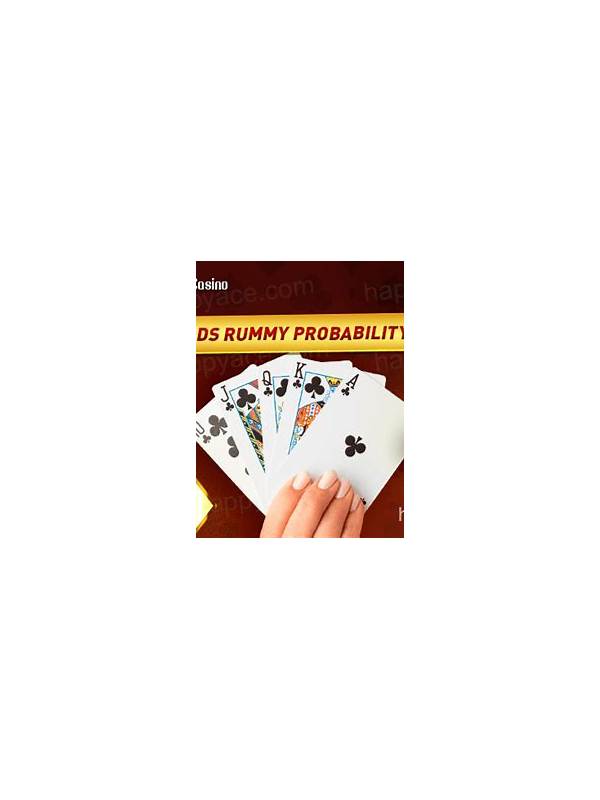
Probability in rummy is less about calculating an exact percentage and more about comparing realistic possibilities. When you hold a card that could fit several plans, ask how many useful cards remain and how many turns you can reasonably wait. This habit prevents a single lucky-card idea from controlling the entire hand.
Begin with the outs you can name. An out is a card that immediately improves your structure or completes a clear group. If you need one rank in one suit, your list may be very short. If two neighboring cards would complete a sequence, the list is wider. Do not count every card that looks vaguely compatible; count only cards that create a legal, useful arrangement under the current rules.
Then compare an out with its cost. A card may improve one group but leave a high-value card stranded. Another may create a set while removing the only route to a pure sequence. The better chance is not always the larger list of possible cards. It is the plan that improves the hand while preserving more than one future route.
Use the discard pile as evidence, with caution. Visible cards tell you what has already appeared, but they do not reveal the full unseen distribution. A missing card may be in another player’s hand, in the stock, or simply not available in the format. Treat the pile as a reason to update your plan, not as proof that a card is about to arrive.
A useful rule is to set a waiting limit. If a plan needs one specific card, decide how many turns it deserves before you break it. During that period, keep a second plan alive with flexible connectors or a low-cost discard. When the limit expires, choose the structure that is already legal or closest to legal. This turns uncertainty into a decision rather than an emotional test of patience.
Finally, review your predictions after the hand. Ask which cards you counted, which assumptions proved wrong, and whether you ignored a safer arrangement. The goal is not to remember a lucky draw. It is to improve the quality of your next estimates. Good probability habits make decisions calmer because they separate what is possible from what is worth waiting for. Probability in rummy is less about calculating an exact percentage and more about comparing realistic possibilities. When you hold a card that could fit several plans, ask how many useful cards remain and how many turns you can reasonably wait. This habit prevents a single lucky-card idea from controlling the entire hand.
The estimate is useful only when it changes a choice between waiting, simplifying, or discarding.