Rummy How-To: Test a Sequence Before Committing
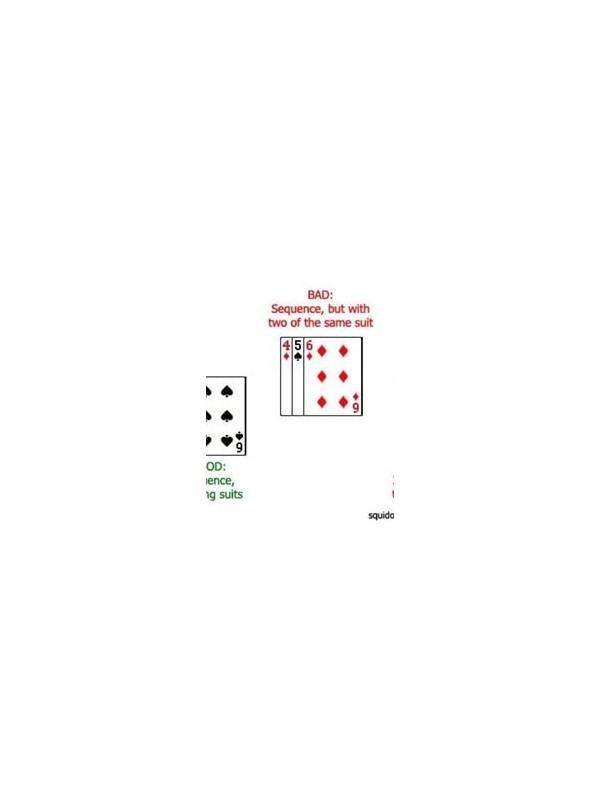
A promising sequence can take over a hand before it has earned that attention. Test it before committing by using a short checklist. Identify the cards already connected, list the exact missing cards, and note whether the same cards are needed by another group. This turns an attractive shape into a measurable route.
Next count the exits. A sequence with one missing card may still be narrow if only one copy can complete it. A shorter structure may be stronger if several draws extend it from either end. Include cards that can change the arrangement, but do not count every neighboring rank as equally useful. The best tests distinguish direct help from merely possible help.
Consider the cost of waiting. While you pursue the sequence, which high or isolated cards remain in your hand? Which flexible card might be forced into a discard later? If the route requires several turns and leaves heavy risk behind, set a deadline. For example, you might allow two more draws for evidence and then review the plan regardless of the result.
Also check whether the sequence needs to remain pure under the relevant rules. A route that looks complete may not satisfy the table’s requirements if a joker or wild card is involved. Confirm rules before treating a group as finished, especially when preparing a declaration. A quick rule check is cheaper than discovering an invalid group at the end.
Commit only when the sequence improves the whole hand, not just one corner of it. Otherwise keep it as a backup and continue comparing routes. Testing does not make play slow; it prevents a vague idea from consuming every later decision. The same method works in practice mode, where you can record the missing cards and review whether the commitment was justified. Keep a sequence test separate from a declaration check. A route can be strategically attractive and still fail a rule requirement. When the hand is close to completion, verify the order, suit, and use of any wild card one group at a time. If the timer is short, protect the groups that are already legal before making a speculative rearrangement. Afterward, review whether the sequence test was accurate at the moment you committed. This preserves the useful lesson even when the final result was determined by a later draw. A clear deadline also protects you from spending several turns defending a route that no longer has enough support.