Rummy Guide: Read an Opponent’s Discard Rhythm Carefully
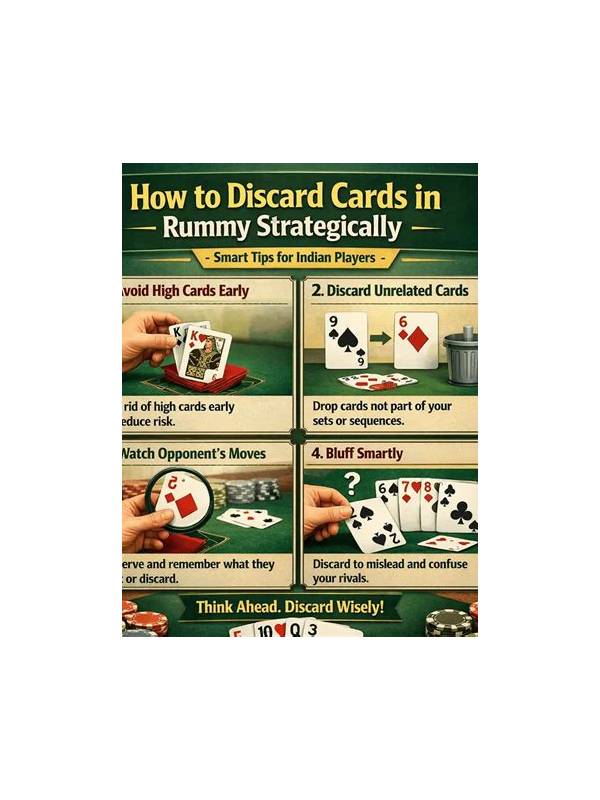
An opponent’s discards can reveal the shape of a developing hand, but they should not be treated as a complete map. The same card may be released for several reasons, and a deliberate player may use discards to disguise a plan.
Begin with categories rather than a single story. Notice whether the player is releasing high cards, isolated suits, duplicates, or cards close to the latest pickup. A repeated pattern may indicate that certain structures are less attractive to them. One unusual discard, however, is weak evidence and should not determine your entire strategy.
Track changes in rhythm. A player who discards quickly from one suit and then pauses around another may be reconsidering a plan, but timing can also reflect distraction or connection quality. Use rhythm as a soft clue only. The cards themselves are more reliable than the speed of an action.
Ask what the player could be protecting. If they repeatedly avoid releasing cards connected to a visible rank, those cards may be useful, or the player may simply be keeping options open. Avoid assuming that a withheld card is part of a completed sequence. Your goal is to estimate risk, not to claim certainty about a hidden hand.
Use the information to improve your own discard choices. If a card appears likely to fit a developing pattern, compare it with your other candidates before releasing it. Do not hold every potentially helpful card indefinitely; protecting against every imagined opponent plan can damage your own hand. The clue must be strong enough to justify its cost.
Reassess after each meaningful draw. A player’s earlier discards describe an earlier hand. New cards can change their priorities just as they change yours. Keep your interpretation flexible and be willing to discard an old theory.
Good table reading is disciplined uncertainty. Notice patterns, record alternatives, and choose your move based on your hand first. Opponent clues are useful when they sharpen a decision, not when they replace one.
If you cannot identify how a clue changes your next action, it may not be useful yet. Let the observation remain in the background until a concrete discard comparison makes it relevant. This prevents speculation from consuming the attention needed for your own hand.
Avoid announcing your interpretation aloud. Quiet observation protects table manners and keeps a tentative clue from becoming a distracting argument.
A respectful table also makes better information available: players act naturally when they are not being interrogated about every discard. Keep the focus on clear play and your own choices.