Rummy How-To: Use a One-Card Experiment to Test a Plan
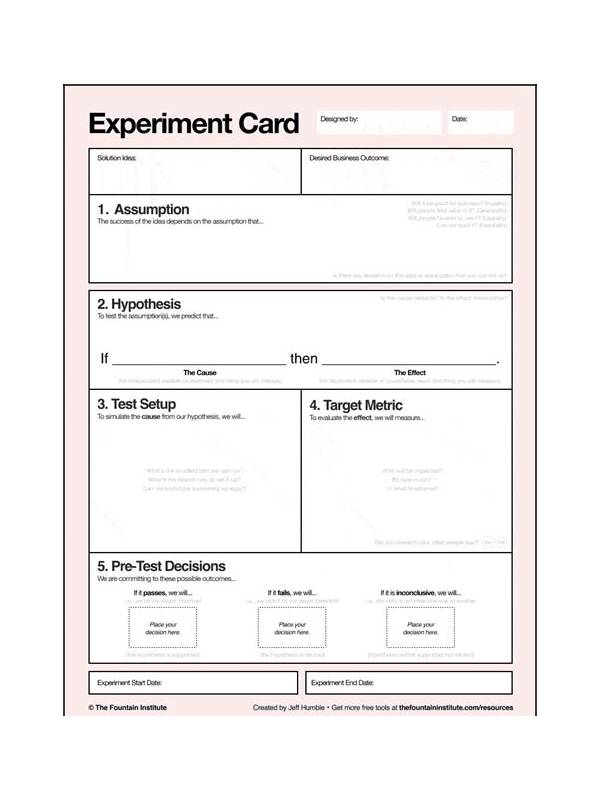
When a rummy hand contains several possible arrangements, changing everything at once makes progress difficult to judge. A one-card experiment offers a calmer method. Temporarily move one loose card into a possible group, then inspect what the rest of the hand can do. The purpose is not to predict the next draw perfectly. It is to compare the structure created by one clear assumption.
Choose a card that currently has at least two plausible roles. For example, it may fit beside a sequence fragment or complete a rank-based group. Place it in the first arrangement and inventory the remainder. Count the cards that are already settled, the cards that have one realistic job, and the cards that have no useful connection. Write these observations down if the layout is crowded.
Now remove that card and test the second role. Keep the comparison fair: do not invent extra draws for one arrangement while judging the other by its present state. Ask the same questions each time. Does the layout satisfy any required foundation? How many exact cards are needed? How many different cards could improve it? Which loose card would become expensive if the plan failed?
The experiment is also useful for identifying hidden dependence. A plan may look efficient because one card supports two groups, but that flexibility disappears if both groups need the same replacement. Mark shared dependencies clearly. A plan with fewer groups can be stronger when its groups do not compete for the same narrow card.
Use table information as a second layer. If a candidate depends on cards already discarded, reduce its practical appeal. If a card would give an opponent an obvious completion, consider that exposure after judging your own hand. Avoid turning this into a complicated probability exercise; the simple purpose is to avoid choosing a layout merely because it is visually neat.
After comparing the experiments, keep the arrangement with the clearest legal route and the fewest severe unresolved jobs. You do not need to preserve every possibility. One tested commitment is often better than several vague hopes. Re-run the experiment only when a new draw changes the evidence, so the method supports decisions instead of creating more hesitation.
Keep the test brief. If the comparison is still unclear after one careful pass, choose the route with the stronger foundation and continue observing. Endless rearranging can become its own source of delay.
Record the result mentally as a working choice, not a permanent commitment. A later draw is allowed to change the conclusion.