Rummy Guide: The Two-Question Pause Before a Risky Discard
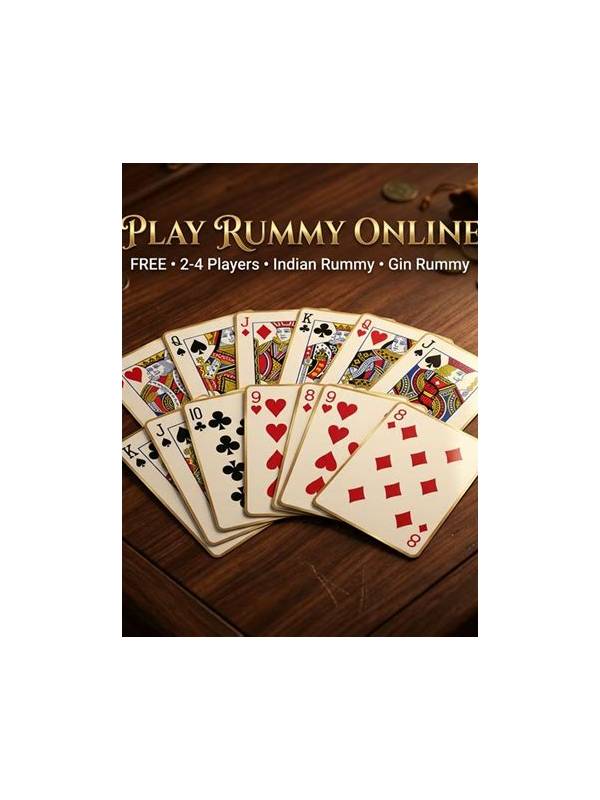
A risky discard is not always a bad discard. Sometimes a high-value card must leave, a promising connection has stopped developing, or the visible information makes one option clearly less useful than another. The problem is making that choice automatically. A simple two-question pause gives you a repeatable way to slow down without making every turn feel complicated.
First ask, “What am I giving up?” Name the card’s current roles. It may be part of a partial sequence, a possible set, or merely a high-point card that has not found a partner. It may also be a card that another player could plausibly need. Do not treat those possibilities as equal. Write the strongest role in your mind, then identify what evidence supports it. If the card has only a vague connection, its opportunity cost may be lower than it first appears.
Second ask, “What does this discard improve?” A discard should usually create a concrete benefit: a cleaner hand, fewer competing plans, better flexibility, or lower penalty exposure. “It feels safer” is not enough. Explain the improvement in one sentence. For example, removing a disconnected ten may leave two compact options and make the next draw easier to evaluate.
The pause is most useful when two cards look similar. Compare them using the same questions rather than switching between intuition and fear. If one card has a supported role and the other only has hope attached to it, discard the hopeful card. If both have real uses, consider which one has more replacement paths and which one reveals less about your hand.
This method is not a guarantee of a good result. A sensible discard can still be followed by an unlucky draw. Its value is consistency: after the hand, you can explain what you considered and why. Over time, that explanation is more useful than judging yourself only by whether the next card happened to help.
Use the questions in the same order every time: your structure, the discard evidence, the likely effect on opponents, and the points remaining. Practice the pause in free hands until it becomes quick enough for ordinary play, especially after a surprising draw. Use the questions in the same order every time: your structure, the discard evidence, the likely effect on opponents, and the points remaining. Practice the pause in free hands until it becomes quick enough for ordinary play, especially after a surprising draw.
The pause should end in a choice, not endless analysis. If two options remain close, select one, note the uncertainty, and continue. A repeatable decision made under imperfect information is more useful than waiting for certainty that the hand cannot provide.