How to Review a Rummy Hand After the Round Ends
A rummy hand ends when the declaration, score, or table result is recorded, but learning from it takes a few more minutes. A useful review separates decisions from outcomes. Winning does not prove every choice was strong, and losing does not prove every choice was wrong.
Start with the opening shape. Note whether you had a clear pure-sequence possibility, several pairs, or many unrelated cards. This establishes what the hand offered before later draws changed it. If the opening was awkward, record the first decision that made it more manageable. If it was promising, note whether you protected that promise or abandoned it too quickly.
Then examine the turning point. The turning point may be a discard, a visible pickup, a joker, or a missed opportunity to reduce point risk. Describe the decision in neutral language: “I kept a high card for three turns while waiting for one exact rank.” This is more useful than “I played badly” because it identifies a repeatable behavior.
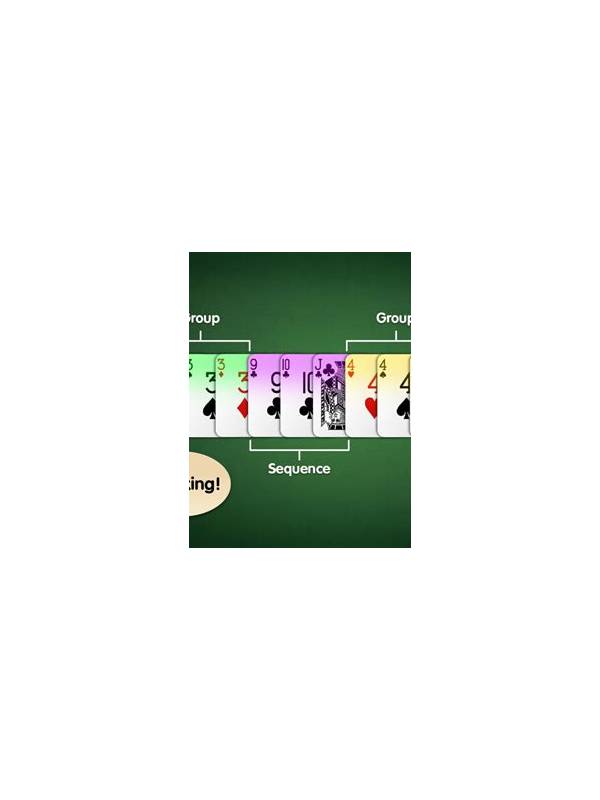
Review your required structures separately. Was the pure sequence protected? Did a temporary group consume cards that could have served a more important purpose? Were you holding a complete group while several cards outside it remained expensive? These questions help distinguish an arrangement problem from a luck problem.
Finally, compare the alternative you actually had, not an imagined perfect hand. Ask what you would do if the same visible information appeared again. Choose one adjustment for the next session, such as setting a deadline for a narrow draw or checking the point value before taking a speculative card. One adjustment is easier to practice than a list of ten rules.
Keep reviews brief and private. Do not use them to justify chasing losses or extending a session after frustration. If the result raises strong emotions, take a break and return later. A post-round review should improve clarity and self-control; it should never become a reason to play longer than planned. Good records describe choices, evidence, and alternatives without turning a single outcome into a judgment about your ability.
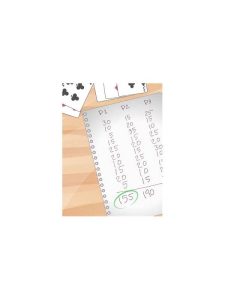
If you keep notes, record the date, format, and one lesson rather than a long emotional account. A short record makes recurring patterns easier to see: waiting too long on pairs, overlooking point risk, or failing to protect the required sequence. The review should close the round mentally so that the next session starts with a fresh plan.