Rummy Discard Pile Memory: Track Only Useful Information
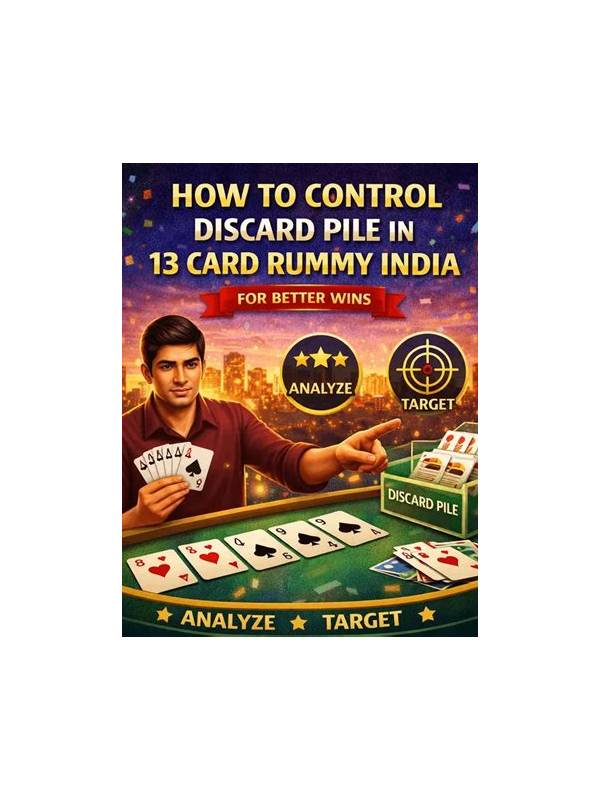
The discard pile can contain more cards than anyone can track comfortably. Trying to memorize everything may increase distraction and still leave you with a distorted picture. A better method records only information that can change your next decision: cards that connect to your plan, cards that complete a visible pattern, and recent changes in the table’s rhythm.
Start with your own needs. If you are building a heart sequence, notice the relevant ranks that appear, not every unrelated club or spade. Mark mentally whether a needed card has been seen, and if so, whether it was discarded recently or long ago. This is not an exact count of the unseen deck; it is a reminder to lower your confidence in a plan whose useful cards are disappearing.
Use small categories. “Helps me,” “helps a possible alternative,” and “irrelevant for now” are enough. Do not assign certainty to an opponent based on one pickup. A card can be useful to several hands, and a player may take it for a reason you cannot see. Treat the pile as public evidence with limits.
Refresh memory after a major change. If you draw a useful connector, update your plan and release information that no longer matters. If the hand becomes defensive, focus on reducing exposed points and preserving valid structures. Holding old notes about a discarded plan can create clutter and make the next decision slower.
When reviewing a round, compare your memory with the actual pile only to learn. Did you notice the important card? Did you spend attention on cards that never affected your choice? Keep the answer practical. The goal is not perfect recall; it is better prioritization under limited attention.
A simple discard method is enough: track the cards that affect your plan, update after each meaningful draw, and let irrelevant details go. This keeps the pile informative without turning the game into a memory contest. Good observation should make your choices clearer, not make the table feel heavier. You can use a tiny written cue such as “plan, pile, cost” beside the screen. It reminds you to connect memory to an actual decision: what your plan needs, what the pile has shown, and what keeping the card costs. Once the cue becomes familiar, remove it and test whether the habit remains.