Rummy FAQ: Does a Short Meld Always Improve a Hand?
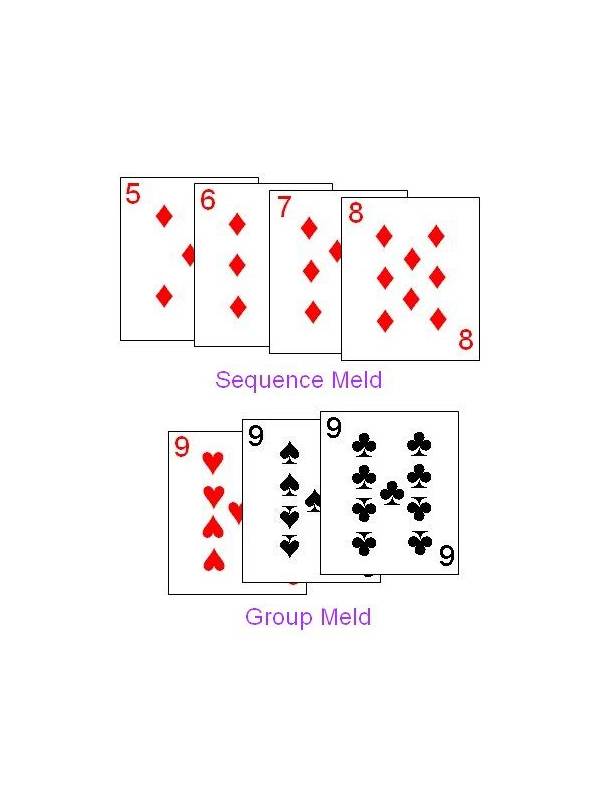
A short meld is not automatically progress. It may remove unrelated cards and make the hand easier to read, but it can also consume a flexible card that was supporting a stronger route. The right question is not whether the meld looks tidy. It is whether the meld improves your complete path to a valid declaration.
Check the role of every card in the proposed meld. Is it already committed to a required pure sequence? Does using it leave another group with only one exact way to develop? Would a joker be used efficiently, or would it cover a connection that could be made naturally? These questions show whether the short meld creates value or merely creates a shape.
Consider timing as well. Early in a hand, a small group may be worth keeping because it gives you a stable base while other cards develop. Late in a hand, the same group may be insufficient if it leaves high-value unmatched cards or an unmet requirement. A meld that is good now can become a commitment later.
Compare the meld with one alternative arrangement before discarding. List the cards that remain unmatched and the next cards each arrangement needs. If the short meld leaves several live options and a safe fallback, it is likely useful. If it needs one narrow card while the alternative accepts several, the neat-looking meld may be a trap.
Use the hand’s rules as the final authority. Different rummy variants define valid groups and declaration requirements differently. Never assume that a familiar short meld has the same strategic value in every format.
So, no: a short meld does not always improve a hand. It improves the hand when it reduces real uncertainty, protects required structure, and leaves credible ways to finish.
That standard also prevents premature declarations. Before committing, check the unmatched cards and the next requirement rather than assuming a visible group proves the hand is ready. A group is progress only inside a complete legal plan. When in doubt, imagine removing the meld from the hand and compare the two remaining inventories. Does the proposed group reduce the number of unmatched cards, or does it merely hide them? Does it preserve a card that can serve more than one route? This counterfactual takes little time and works with physical cards as well as an app. It also guards against the satisfaction of seeing a neat group. Neatness can improve visibility, but the strategic improvement must be measured by what the rest of the hand can still do.