Rummy FAQ: Should You Keep a Single High Card for Later?
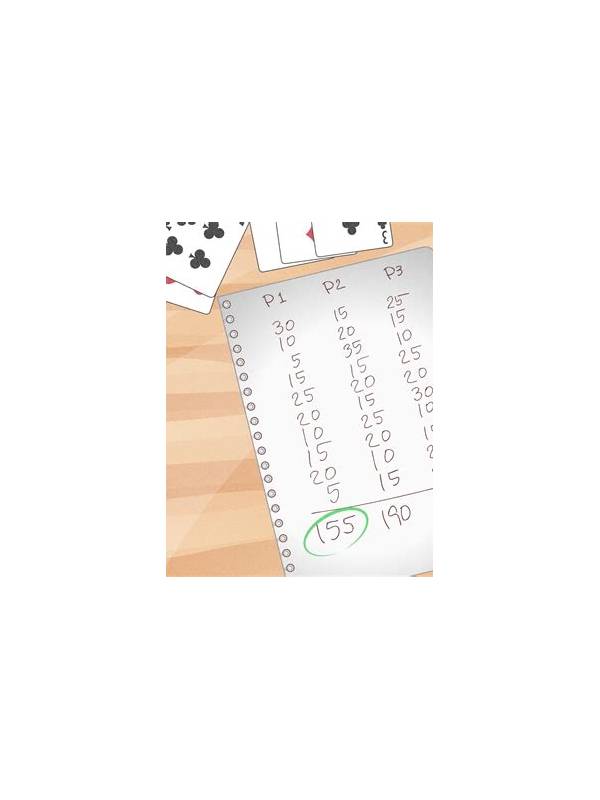
A single high card can be tempting because it may become part of a sequence or set. It can also be dangerous because it adds points when the hand ends unexpectedly. The right answer depends on route quality, timing, and what the card prevents you from doing.
First, identify a concrete route. A high card next to a same-suit neighbor has a clearer purpose than an isolated high card with no matching context. If the route requires several specific cards, treat the high card as speculative rather than valuable. A card is not flexible merely because many imagined combinations can include it.
Second, consider the cost of keeping it. Every retained card occupies space that could hold a lower-risk connection. Ask what you would discard instead. If keeping the high card forces you to release a low-point pair or a useful middle card, its opportunity cost may be too high.
Third, use a deadline. Keep the card for a limited number of turns while looking for a realistic improvement. If no supporting card arrives by that point, release it before the hand becomes urgent. A deadline turns an emotional attachment into a controlled experiment.
There are exceptions. A high card may be sensible to keep when it is part of a nearly complete pure sequence, when it has two practical routes, or when the surrounding discard pattern makes its improvement plausible. Even then, do not confuse a visible pattern with a guarantee. Other players may be holding the needed cards.
The discard pile can provide context, but it should not dictate the entire decision. If several nearby cards have already appeared, the route may be weaker. If nothing is known, rely on structure and point exposure rather than inventing certainty.
The simplest test is: if this card remains after one more draw, will I still know exactly why I kept it? If the answer is no, it is probably time to let it go. Good rummy decisions are not about avoiding every risk. They are about making the purpose, cost, and exit point visible before risk grows.
This question is also useful when several players are active and the pace feels fast. You may not have time to calculate every possibility, but you can still identify the card’s purpose and set a release point. If you cannot do that quickly, favor a simpler arrangement with lower exposure. A clear modest plan is often easier to protect than a complicated plan built on several assumptions.