Rummy FAQ: What Should You Record When a Rule Is Unclear?
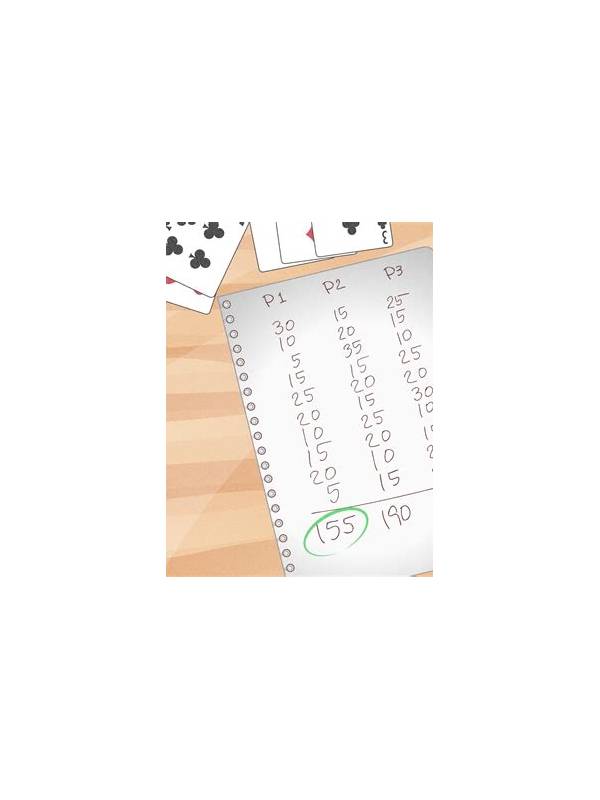
Rule uncertainty is common when different rummy formats use different declaration requirements, joker treatments, or scoring systems. Guessing during an important hand can create avoidable mistakes. A small record helps you pause, verify the correct rule, and avoid importing a rule from another table.
Write the exact question first. “Can this sequence use a joker?” is better than “joker rule unclear.” Include the format name, table type, and any version or region information shown by the service. These details matter because a familiar game name can cover several rule sets.
Record the relevant hand state without exposing private information. Note the ranks, suits, group structure, and the action you are considering. You do not need to record an account number, payment data, username, or private conversation. The purpose is to preserve the reasoning problem, not to create a security risk.
Next identify the source you checked. Prefer the current in-app rules, official help page, or table instructions. If two sources disagree, do not select the answer that best supports your desired move. Mark the conflict and ask the service through a verified support channel before relying on it. Avoid treating another player’s confident opinion as a formal ruling.
After resolution, write the answer in your own words and add an example. Include whether the answer applies only to that format. If the platform provides a change date or version notice, record it so an old note does not become permanent authority. Review rule notes before a future session, especially after switching apps or formats.
The record should also capture what you did while uncertain: paused, folded from the decision, used a practice table, or continued only after confirmation. This turns uncertainty into a safe process rather than a source of embarrassment. The goal is not to memorize every variation. It is to know how to verify the rule that matters at the moment you need it. Keep the note short enough to consult. A date, format, question, verified answer, and source are usually sufficient. If the rule changes, update the old entry instead of leaving two competing answers without labels. Good records reduce repeated uncertainty and make future sessions safer, especially when a familiar game is offered under several table names or interfaces. When no reliable answer is available, record that fact and avoid presenting the arrangement as certain. A transparent unresolved note is safer than a confident rule that belongs to another variant.