Rummy FAQ: How Can You Tell When to Simplify a Hand?
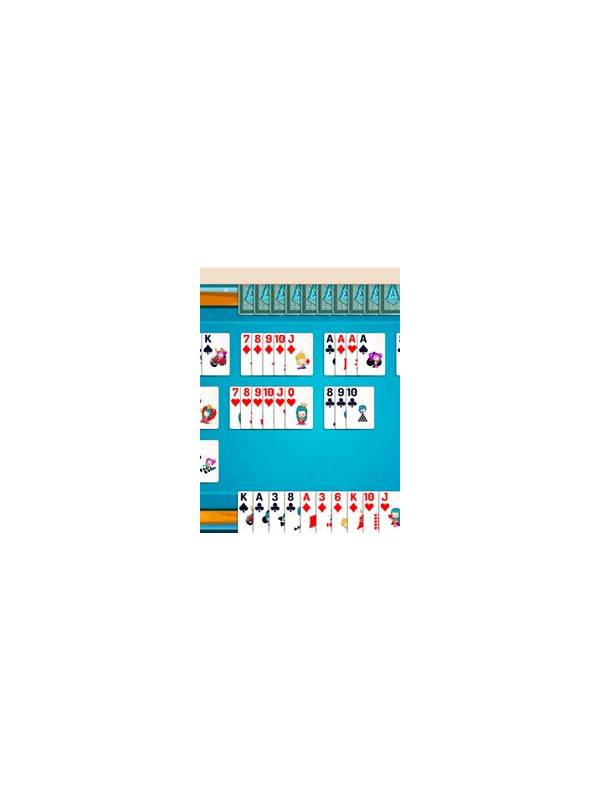
Simplifying a rummy hand does not mean giving up. It means removing weak commitments so the remaining cards can serve a clearer purpose. The need to simplify is often visible when every card seems to belong to a different unfinished idea.
Look for three signs. First, you have several groups that each need different specific cards. Second, you are retaining high or awkward cards only because they might become useful. Third, you cannot state your next objective in one sentence. These signs suggest that flexibility has turned into clutter.
Start by protecting the strongest legal foundation. Keep the sequence or group that is closest to completion and most compatible with the rules. Then rank the other cards by realistic completion path, penalty, and flexibility. Release the lowest-ranked commitment, even if it has been in the hand for several turns.
Simplification should be deliberate, not emotional. Do not break a nearly complete pure sequence merely to make the hand look tidy. Do not discard a useful connector because a previous draw failed. Instead, remove the plan with the weakest evidence and observe what the new hand makes possible.
After simplifying, set a short review window. Give the cleaner hand one or two turns to produce information, then reassess. If it improves, continue. If it remains stuck, simplify again or choose a different route. This process keeps the hand manageable while acknowledging that no plan is guaranteed. A clear, modest plan is often stronger than a crowded hand full of attractive but unsupported possibilities.
Simplification is especially important near the end of a hand because there is less time for speculative routes to mature. At that stage, prioritize legality, penalty control, and the most direct completion path. Do not add a new project merely because its first card appears; ask whether it can realistically finish before the hand closes.
After a session, note the moment when the hand became crowded. Was it after a tempting pickup, a missed draw, or an attempt to defend against an opponent? Identifying the trigger makes future simplification easier. The objective is not to eliminate uncertainty, but to keep uncertainty from multiplying unnoticed. Clarity is the practical benefit: fewer competing plans leave more attention for legal completion. Simplifying can also reduce the temptation to watch every opponent signal. With fewer personal commitments, you can observe the table selectively and return attention to your own discard. That balance makes the hand calmer without pretending that uncertainty has disappeared.