Rummy FAQ: Why Does a Backup Discard Matter?
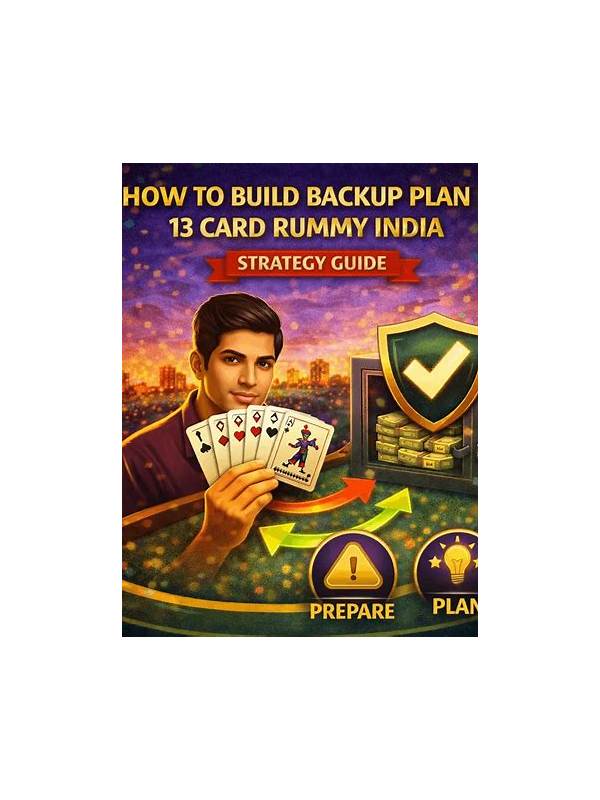
A backup discard is a card you have already evaluated as an acceptable alternative. It matters because the best-looking discard may become unavailable after a draw, a new meld, or a change in your route. Having a second candidate reduces the chance that you will release a useful card simply because the decision arrived unexpectedly.
Choose the backup after identifying your primary discard. Compare the two cards by hand utility, point cost, and table risk. The backup does not need to be equally good. It only needs to be safe enough that using it will not damage the structure of your hand or expose a major plan without reason.
A good backup discard is usually replaceable. If another card can perform the same job, releasing it may cost less. It may also be a card with a high point value that has no realistic route, provided the rules and scoring make that relevant. Avoid selecting a backup solely because it feels unwanted; explain what you are giving up and why the loss is acceptable.
Keep the backup current. A card that was safe two turns ago may become useful after a connecting draw. A previously weak card may become dangerous if an opponent reveals a matching pattern. Recheck the primary and backup candidates whenever your hand changes meaningfully. This takes only a few seconds if you already know why each card was considered.
There is no need to preselect several backups. Too many candidates increase clutter and can make the actual discard harder to choose. One primary and one backup are enough for most turns. If neither remains acceptable, stop and re-sort the hand rather than improvising from the old plan.
The practice is especially helpful for newer players and fast tables. It does not remove uncertainty, but it converts surprise into a manageable comparison. By preparing a reasonable second option, you preserve decision quality even when the preferred line disappears.
Labeling the backup can reduce attachment to the primary choice. If the preferred card becomes unusable, switching to a preconsidered alternative feels like following the plan rather than admitting defeat. That psychological benefit matters in close hands. A calm transition usually produces a better discard than a rushed attempt to rescue a route that has changed.
The backup can also protect the pace of the table. You can complete the normal scan, compare two prepared candidates, and act without turning an ordinary turn into a long pause. Good preparation supports both your own concentration and a respectful rhythm for everyone playing.