Rummy Guide: Choose a Working Set Before You Chase New Cards
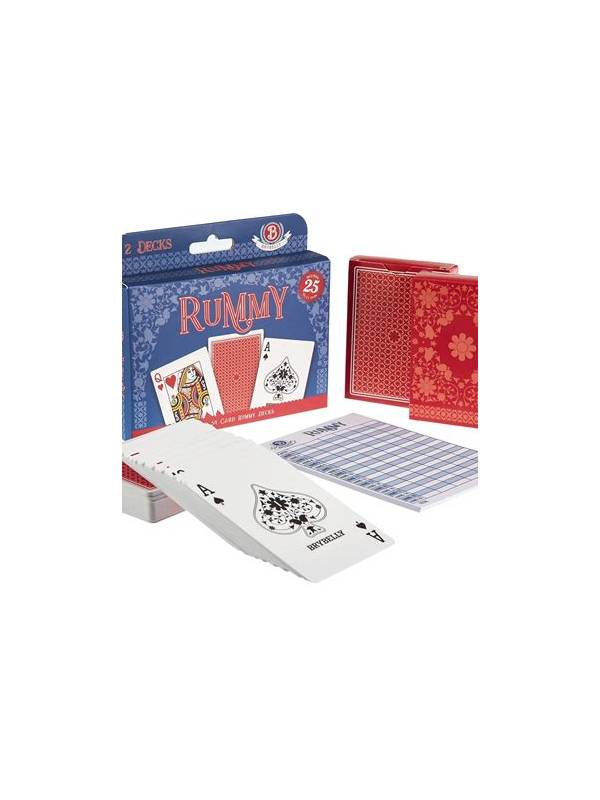
An opening hand can look full of possibilities, but treating every possibility as equally important creates slow and inconsistent decisions. A useful alternative is to choose one working set: a small group of cards that currently has the clearest path toward a legal combination. The set is provisional, not a promise. Its purpose is to give the next few draws a job.
Start by sorting the hand by suit and rank. Look for a same-suit run with one missing link, a pair that could become a set, or a card that connects two nearby ranks. Prefer a structure that needs one realistic improvement rather than several unrelated miracles. For example, 6 and 7 of hearts can be a more useful anchor than three high cards scattered across suits, even if the high cards look more valuable on paper.
Once you select the working set, label the other cards. One group may be a secondary possibility, while the rest are candidates for release. This prevents a common error: keeping a card simply because it might help someday. A card outside the working set should earn its place by supporting a second route, lowering points, or blocking a likely opponent improvement. Otherwise, it is consuming attention as well as space.
Reassess after each draw and discard. Ask whether the working set gained a link, stayed unchanged, or became less likely. If a new card creates a stronger structure, move the anchor. If two turns pass without progress and the set still needs multiple specific cards, downgrade it. A working set that never changes becomes a rigid plan, and rigid plans are especially costly when the table is moving quickly.
Keep the method simple during play: identify the clearest group, protect only its essential cards, and set a time limit for reconsideration. After a session, review whether your chosen sets were based on actual connections or on attractive but distant possibilities. That review turns a vague feeling of being unlucky into a specific lesson about selection and flexibility.
Quick checklist
What is the strongest near-combination in the hand? How many specific cards would complete it? Which cards have no current role? When will you reassess the plan?
The goal is not to predict the whole hand. It is to create a clear next decision while keeping enough freedom to change course. This approach also makes post-game review easier. Ask whether the anchor was selected because of visible connections or because you were reluctant to discard a familiar card. If the answer changes from hand to hand, note the difference in information and table pace. Over time, you will learn which structures deserve an early trial and which ones are usually distractions.