Rummy Guide: Compare a Quick Meld With a Flexible Meld
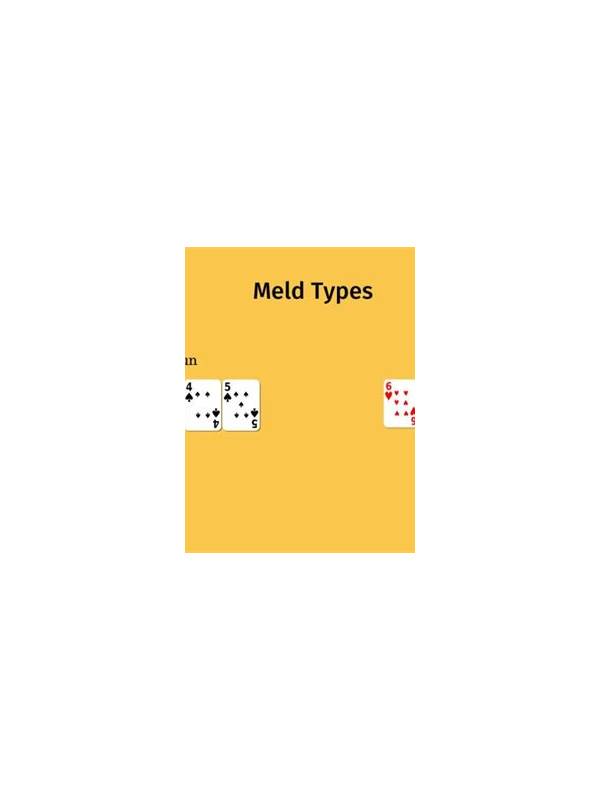
When a rummy hand contains a pair, a short run, and several unrelated cards, the most tempting move is often to complete the group that looks closest. That instinct can be useful, but “almost complete” is not the same as “best to keep.” A quick meld may reduce uncertainty now, while a flexible meld may offer more ways to improve later. Comparing the two deliberately makes the next draw easier to judge.
Start by writing down what each candidate needs. A quick meld might need one exact card, such as the six of hearts to complete five-six-seven. A flexible meld might contain five-six and accept a four or seven, or perhaps connect with another card in the hand. Count the useful cards, but also note whether the needed cards are interchangeable. Two routes are usually more resilient than one narrow route, even when both appear equally close.
Next, ask what happens to the cards left behind. Completing a small sequence is only helpful if the remaining cards become easier to group. If finishing one pair leaves three high, disconnected cards, the apparent progress may be expensive. A flexible group can be better when it protects a second connection or leaves a low-value single for an easy discard. Evaluate the whole hand, not just the group receiving attention.
Timing matters as well. Early in a hand, preserving options generally has more value because several draws remain. Later, a near-complete group can deserve priority if waiting would leave too many points exposed. This is not a rule to finish the nearest group automatically; it is a reminder to compare the cost of delay with the cost of giving up flexibility.
Use a simple three-line note during practice: “route,” “useful cards,” and “leftover risk.” For a quick meld, write the exact completion and the cards that would remain. For a flexible meld, list its alternate completions and the plan for the ungrouped cards. If the quick option wins on completion but loses badly on leftover risk, keep the comparison visible before discarding.
The best choice can change after every draw. A flexible pair may become a direct sequence, or a quick route may lose value when another card creates a safer group. Reassess the two candidates rather than defending the original plan. This habit turns a vague feeling of progress into a practical decision: choose the meld that improves the hand as a whole while leaving a sensible next step.