Rummy Guide: Make a Quick Inventory of Your Hand
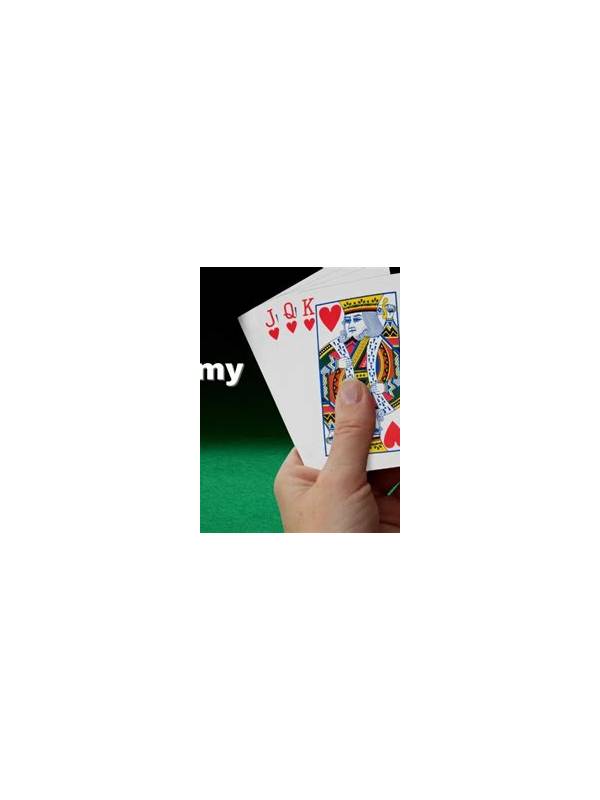
Before making a clever move in rummy, make a plain inventory of the cards you already hold. This is not a prediction exercise. It is a way to see the hand accurately before the next draw changes it.
Start by grouping cards by suit and ordering each group by rank. Do not arrange cards only by the melds you hope to make. A three-card run that looks attractive can hide a second pair or a high-value card that needs attention. Seeing the whole hand prevents one promising idea from taking over.
Next, mark each card with one of three roles: committed, flexible, or exposed. A committed card belongs to a nearly complete sequence or a set with several realistic completions. A flexible card can join more than one plan. An exposed card has no clear partner and may create points if it remains stranded. These labels are temporary; update them after every draw and discard.
Count the requirements for each plan. If a sequence needs two exact ranks, write those gaps down mentally. If a set needs one rank that is already visible in the discard pile, reduce its priority. This keeps “almost complete” from being confused with “likely to complete.” A plan with one open end may be stronger than a plan that needs two specific cards, even if the second plan looks more elegant.
Then check your highest-value cards. Ask whether each one is doing useful work or merely waiting. A high card that supports two possible sequences can be worth keeping. A high card that has no connection should be compared with the risk of holding it for another turn. The answer depends on the format and stage of the game, so treat the check as a prompt rather than a fixed rule.
Finish by identifying your simplest discard candidate. It should be a card that contributes little, is difficult to protect, and does not reveal more than necessary. You do not have to discard it immediately, but knowing the candidate makes the next decision calmer.
This inventory takes less than a minute once practiced. Its value is consistency: every decision begins with the hand you actually have, not the hand you wish the deck would provide.
It also creates a useful record for later review. If a hand goes badly, you can ask whether the inventory missed a requirement or whether the draw simply failed to cooperate. That distinction improves future decisions without turning one result into a verdict on your ability.