Rummy Guide: Use a Two-Minute Opening Scan
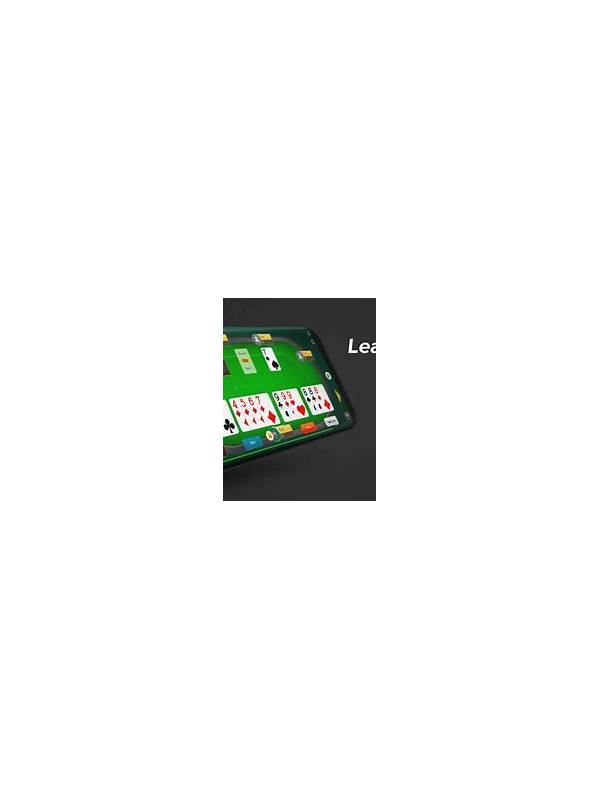
The first few moments of a rummy hand can feel crowded with possibilities. A two-minute opening scan gives your attention a fixed order. The exact time can be shorter at a live table; the principle is to inspect before acting, not to delay every move.
Begin by checking the format. Confirm the hand size, sequence requirements, joker rules, and scoring model. A strategy that makes sense in one version may be poor in another. If the interface shows a timer, include it in your planning and leave enough time to make a legal move.
Next, arrange the cards by suit and rank so relationships are visible. Identify any complete pure sequence first. Then mark possible sequences that need one card, sets that need one matching rank, and loose cards with no immediate connection. Do not overstate a possibility: a pair is a clue, not a completed group.
After that, calculate exposure. High-point loose cards can create a larger penalty if the hand ends unexpectedly, while low-point connectors may deserve more time. This does not mean discarding every high card immediately. A high card in a strong sequence can be safer than a low card with no useful route.
Choose a first objective and a fallback. For example, you might protect a pure sequence while testing one flexible pair. The fallback could be releasing that pair after two unhelpful turns. A deadline prevents one attractive idea from consuming the whole hand.
Before your first discard, glance at the visible pile and note only relevant clues. Avoid building a story about opponents from one card. Then make the discard that best improves your structure or reduces avoidable exposure. After the draw, repeat a shorter scan because the hand has changed.
This routine is valuable because it reduces mental noise. It does not remove luck or guarantee a favorable deal. It simply ensures that the first decision comes from an organized view of the cards, the rules, and the risks rather than from the first pattern that catches your eye.
Shorten the scan only after it becomes familiar. In practice, time each stage and notice where you hesitate. If arranging cards takes too long, use a consistent layout. If the rules cause uncertainty, study that format before playing. The aim is not to use every second; it is to spend attention on choices that can genuinely change the hand.