Rummy Guide: Use a Stop-Loss of Attention, Not Just Money
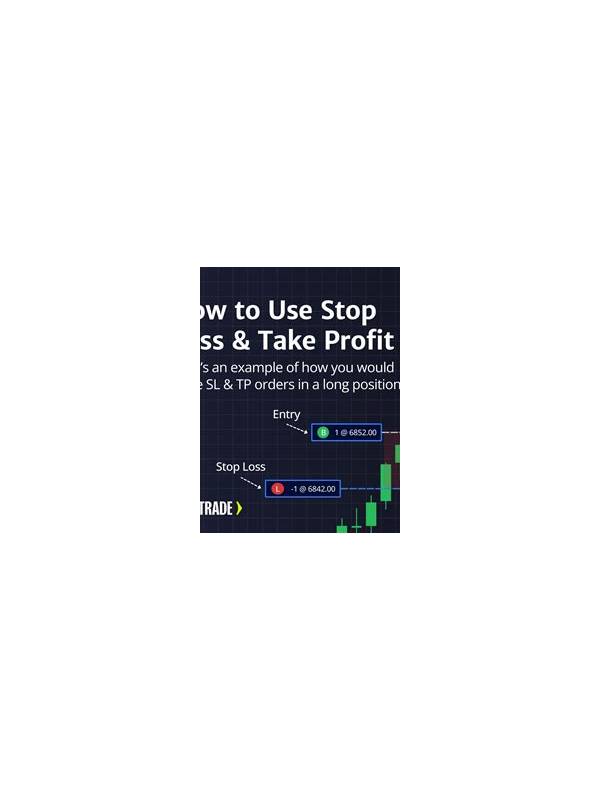
Attention is a limited resource
Players often think about limits only in terms of money. Attention deserves a similar boundary. After too many rushed turns, notifications, or repeated hands, a player may keep making choices but stop evaluating them carefully. The session can remain technically affordable while the quality of decisions falls.
A stop-loss of attention is a pre-decided condition for pausing. It might be a fixed amount of time, a number of completed hands, or a clear sign such as reading the same prompt twice. The aim is not to predict when you will lose. It is to notice when continuing is unlikely to produce useful play or useful learning.
Choose a measurable limit
Use a rule that can be checked without debate. “I will stop after forty minutes” is clearer than “I will stop when I feel tired.” You can also combine time with a quality signal: stop after thirty minutes or after three rushed decisions, whichever comes first. If you are studying, pause after one review question has been answered honestly rather than extending the session simply because a result was disappointing.
Record the rule before starting. A timer outside the game can help, particularly when rounds have different lengths. Leave a few minutes for a calm exit, note-taking, and checking that the app is closed. If the game offers paid features, avoid making a spending decision during the final tired minutes of a session.
Treat the pause as information
When the limit is reached, note what changed. Were you distracted by the environment, confused by a rule, or trying to recover from a poor result? Did a long waiting period drain focus? A short observation can guide the next session: use a quieter setting, choose shorter tables, or review the rulebook before playing.
Do not turn the boundary into a challenge to defeat. Extending it because “one more hand will fix the feeling” is exactly the pattern the rule is meant to interrupt. A pause is successful even when the last hand was going well. Protecting attention before it collapses makes the next decision easier and keeps entertainment within its intended place.
You can make the boundary visible by writing the finish time beside your device or setting a neutral alarm. When it sounds, complete only the current required action, then leave the table. If you are still alert, use the break for water, movement, or a non-game activity rather than immediately starting another session. Returning later is a new decision, not an automatic continuation.