Rummy Hand Labels: Name Cards by Job Before You Discard
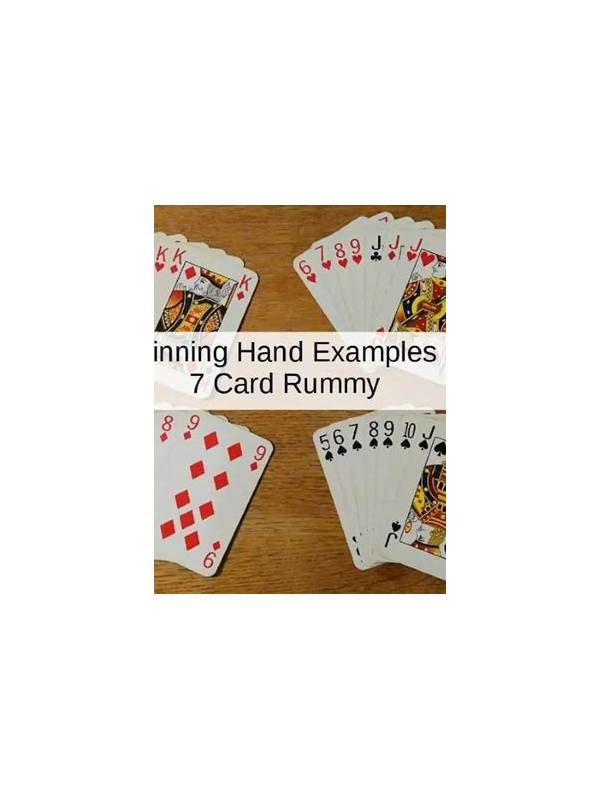
When a rummy hand looks crowded, players often ask which card is “best.” A better question is what job each card currently performs. A card may anchor a sequence, support a set, connect two plans, carry points, or simply occupy space. These jobs can change after every draw, so labels should remain temporary rather than becoming attachments.
Sort the hand into four working areas. Put confirmed legal groups in the first area. Put promising but unfinished groups in the second. Put flexible cards that could serve more than one plan in the third. Put isolated or expensive cards in the fourth. The arrangement is not a declaration; it is a visual inventory that helps you see where a discard can come from.
Give each card one primary job and, if necessary, one backup job. For example, a middle card may connect to a same-suit run while also completing a set. A low card may be valuable for a sequence but have no backup use. If a card has three imagined jobs, ask whether those jobs share the same missing card. Shared dependencies mean the flexibility is smaller than it appears.
Before discarding, test the card’s exit cost. If you remove it, which routes disappear? Would another card be forced to do its job? Does the discard reveal useful information while preserving a legal group? A high-point isolated card often has a clear reason to leave, but a low-point card can still be the wrong discard if it is the only bridge between two routes.
Re-label after the draw, not only after the discard. The new card may complete a group, create a duplicate, or make an old connector unnecessary. Keeping yesterday’s labels after the hand has changed is a common source of stubborn decisions. Take one calm scan from left to right and update the job of every uncertain card.
Use the labels in review. After a round, choose one decision and write: “I discarded the card acting as ___ because I expected ___.” Then check whether that expectation was supported by the visible information at the time. This method reviews reasoning instead of judging yourself from the final result.
Card jobs are tools for clarity, not secret advantages. They cannot predict unknown draws or guarantee a win. Their value is simpler: they turn a vague hand into a set of explicit responsibilities, making the next discard easier to compare and the later review more honest.
The labels also help communication. When explaining a hand to a friend, say which card was an anchor, bridge, backup, or liability. This vocabulary keeps the discussion focused on structure rather than lucky outcomes. It is especially helpful for beginners who otherwise see only a row of attractive or unattractive cards.