Rummy How-To: Make a Turn-by-Turn Decision Journal
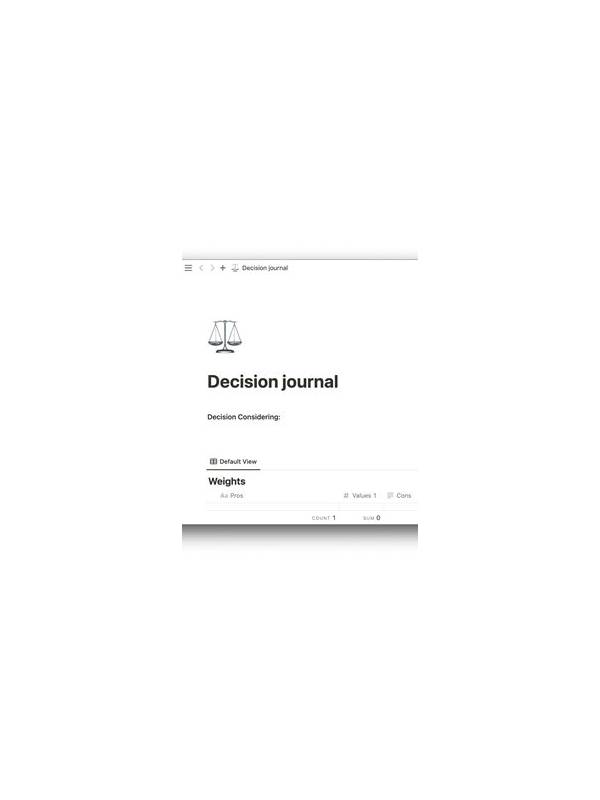
A decision journal is more useful when it records choices rather than attempting to reproduce an entire game. A simple turn-by-turn format can show what you noticed, what you chose, and what you would check next time.
Use one line per important turn. Write the turn number, your intended objective, the card you drew or considered, and the discard you selected. Add a short reason such as “protecting a flexible route” or “reducing an isolated high card.” Keep the language neutral. A note that says “I panicked” is less useful than “I discarded before checking the second group.”
Do not record private information you were not entitled to see. Your journal should contain your hand and public table information only. If you are using an online service, avoid copying usernames, account details, or screenshots that reveal other players’ personal data. Store notes securely and remove anything you no longer need.
Mark uncertainty with a question mark. For example, “? opponent may be avoiding hearts” shows an inference without turning it into a fact. This small symbol makes later review more honest. At the end of the hand, write one sentence about the first turn where your plan changed and why.
Review the journal after a break. Look for repeated process issues: skipping a hand scan, holding a narrow route too long, or forgetting to plan an exit for a high card. Choose one issue for the next session. Trying to correct five habits at once usually makes the notes harder to use.
You can also compare two decisions with the same structure. Did one draw improve a group while leaving a clean discard? Did another create a second loose card? The journal should help you see relationships, not produce a long transcript.
If writing slows the game or distracts you, keep only a few keywords and complete the details afterward. The goal is reflection, not paperwork. A consistent two-minute review built from clear decisions will teach more than pages of vague commentary. Over time, the journal becomes a record of how your reasoning changes as the hand develops.
Use the same vocabulary from session to session. Terms such as “route,” “exit,” “strong group,” and “speculative” make old notes comparable. If a friend reviews a hand with you, ask them to comment on the decision line rather than reconstructing hidden cards. The journal is most valuable when it leads to one behavior you can observe in the next session, not when it becomes a collection of perfect explanations.