Rummy Safety: Make a Clear Exit Checklist Before Playing
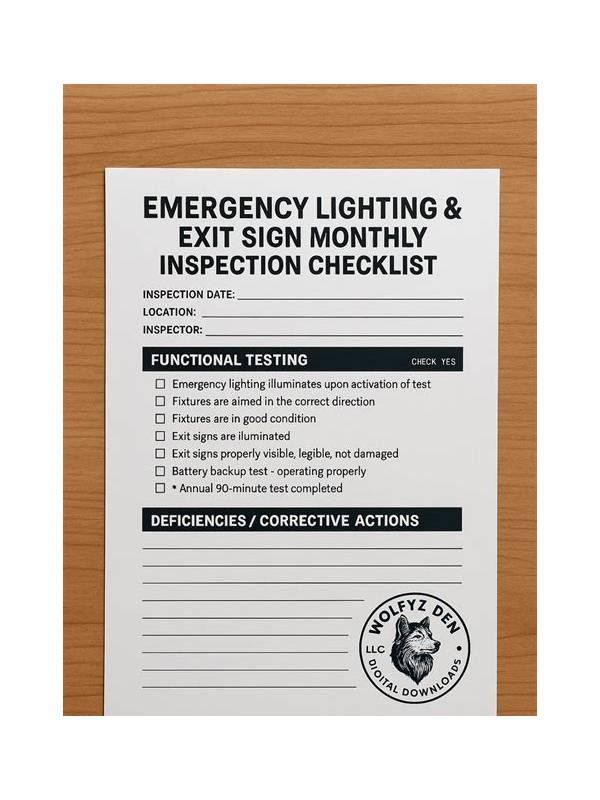
An exit plan is easier to follow when it is written before a rummy session begins. During an exciting or frustrating game, the mind tends to treat stopping as a problem to solve later. A simple checklist moves that decision earlier, when attention is steadier and the activity is still optional.
Set three limits first: time, money, and number of games. Make each limit specific enough to recognize without debate. “I will play briefly” is vague; a clock time or a fixed number of rounds is clearer. Choose an amount that does not affect essentials, and keep it separate from rent, food, transport, debt payments, or savings. If the platform provides deposit, loss, or session reminders, use them as additional barriers rather than relying on memory.
Add an emotional stop condition. You might pause if you notice an urge to recover a loss, a need to increase the amount, or irritation that makes ordinary decisions feel urgent. These conditions matter even if the financial limit has not been reached. A session can become unsafe through attention and emotion before it becomes expensive.
Make the physical exit easy. Decide where the device will go, close notifications, and avoid keeping the game open while doing another task. If you share a home or device, protect the account with a strong unique password and sign out when appropriate. Never share login codes or allow an unknown person to direct your play. A safe session includes account and privacy habits as well as spending controls.
When a limit is reached, record only what is useful: the time, the result, and one neutral observation. Do not immediately analyze every decision or start another session to test a theory. A short cooling-off period protects the purpose of the checklist. Review later, when the urge to continue has passed, and change future limits only outside active play.
If you repeatedly move the exit point, borrow funds, hide activity, or feel unable to stop, treat that as a serious warning rather than a minor planning error. Pause play and speak with someone you trust or a qualified local support service. Rummy should remain a bounded leisure activity. A checklist is valuable because it makes stopping a normal part of play, not a reaction reserved for a crisis.
Share the checklist with a trusted person if accountability would help. The purpose is support and clarity, never embarrassment or punishment.
Keep contact details for local support services available if play has become difficult to control. Reaching out early is a practical safety step.