Rummy Safety: A Privacy Checklist for Screenshots and Streams
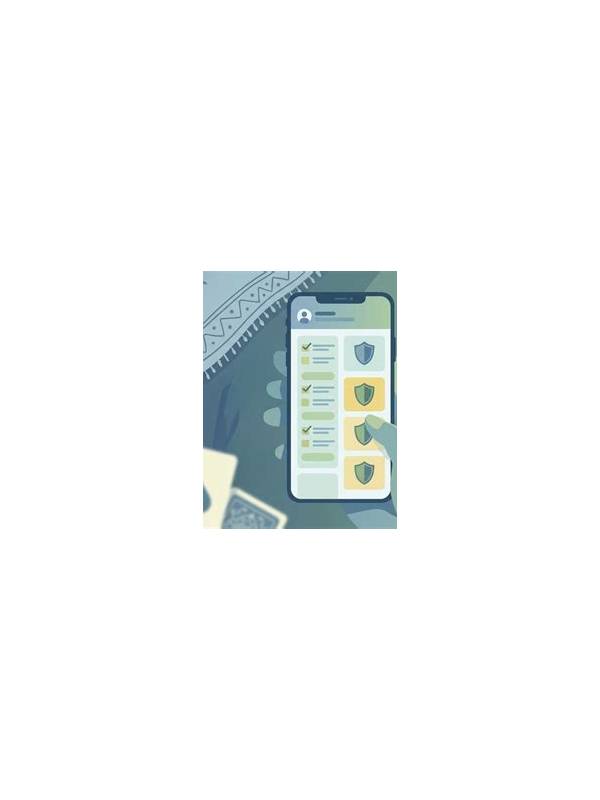
Screenshots and streams can be useful for reviewing a rummy interface, but they may expose more than the hand you intended to show. Before sharing an image, inspect the entire frame rather than cropping only the cards. Usernames, account identifiers, notification previews, balances, and support conversations can all appear at the edges.
Start by hiding sensitive interface elements. Close payment pages, profile menus, and message panels. If a notification banner appears, wait for it to disappear or use a clean test screen. Never include passwords, one-time codes, card numbers, or identity documents in a strategy post. A hand review does not require any of those details.
Check the background as well. A desktop recording can reveal open email, cloud storage, or browser tabs. On a shared device, another person’s information may be visible without their permission. Use a separate review profile or a plain background when possible, and disable notifications during a planned recording.
Before publishing, zoom in on the final image and read small text. Blur or cover identifiers with an opaque block rather than relying on a light transparency effect. Remember that a video may show several frames before and after the hand, so review the complete clip. Remove metadata if your editing tool offers a privacy option.
If you accidentally share sensitive information, delete the post, change the affected credential through the official service, and contact support using its verified channel. Privacy is part of responsible play. A useful lesson can be shared with cards and decisions alone; account details add risk without adding strategy value. For a public tutorial, prepare a clean example hand instead of using a live account. Replace usernames with neutral labels and remove any balance or transaction panels. If you must demonstrate a real interface, use a recording pause before navigating to account areas. Review the exported file on a second device, because details that seem hidden on one screen may be readable elsewhere. Ask permission before showing another player’s name or chat message. These habits protect both the creator and the audience, while keeping the educational point focused on sorting, timing, or rules rather than personal data. When sharing educational material, explain the privacy step as part of responsible play, not as an optional technical extra. Readers can then apply it to any card-game recording.