
Rummy Strategy: Use a Two-Route Plan for Difficult Hands
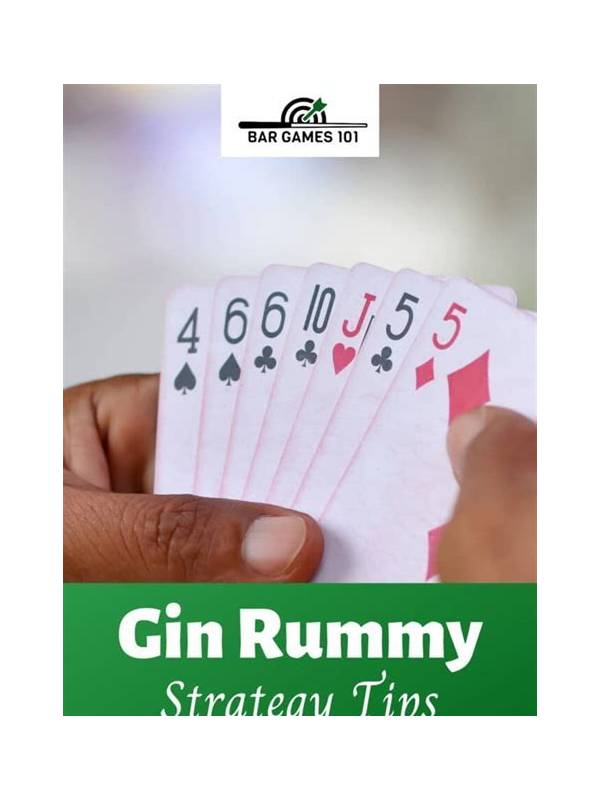
Difficult hands often become worse when a player commits to one imagined solution. A two-route plan provides structure without demanding certainty. Route A is the main way to complete the hand; Route B is a realistic alternative that protects you if the first route stalls.
Choose Route A from the strongest evidence in your cards. It may be a same-suit run with several connected cards, a set with a useful pair, or a nearly complete required sequence. Then identify the exact card or small group of cards that would improve it. Be specific. “I need better cards” is not a plan, while “a card on either side of this same-suit pair” gives you something to evaluate.
Route B should not be a fantasy. It must use cards you already hold or a small number of plausible draws. For example, if Route A is a sequence, Route B might use one card from that group in a set while releasing an isolated high card. If the alternative needs three exact cards, it is not a backup; it is another gamble.
Give each route a deadline. Route A may receive one or two turns when it has several completions. If the needed evidence does not appear, move one card toward Route B instead of waiting indefinitely. The deadline should also consider your point risk and whether the required pure sequence is secure.
When a new card arrives, test both routes before rearranging the hand. Does it complete Route A, strengthen Route B, or do neither? If it helps neither, it may be a discard candidate. This test keeps the hand from being driven by the emotional appeal of one new card.
Two routes do not mean keeping twice as many cards. They mean assigning roles carefully and accepting that some cards must be released. Once one route becomes clearly stronger, commit to it and simplify the rest. A difficult hand may still lose, but a controlled alternative reduces wasted turns and makes the final decision easier to explain and improve.
The two-route idea is especially useful when the table is moving quickly. You can state the routes in a few words, such as “pure sequence first, set second,” and test each new card against them. If both routes fail, stop searching for a hidden solution and reduce point exposure. A clear fallback is part of a plan, not an admission that the hand was hopeless.