Rummy Table Notes That Improve Your Next Session
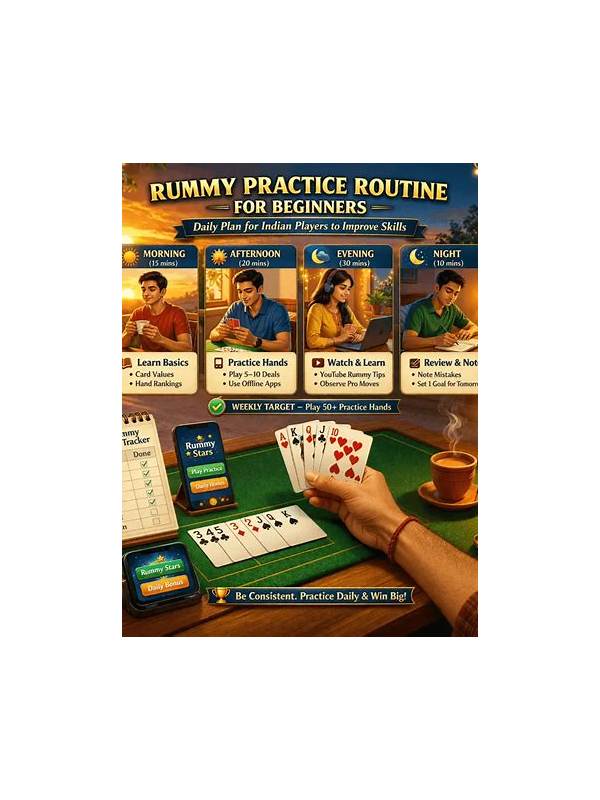
Keeping notes after a rummy hand is useful when the notes describe decisions rather than emotions. You do not need a long diary or a record of every card. A few precise observations can show which habits deserve attention in your next session.
Start with the opening shape of the hand. Write down whether you had a promising run, several pairs, or mostly isolated cards. This gives you a reference for judging your first discard. A hand that looked awkward at the beginning may have required patience, while a hand with two connected groups may have rewarded quick organization.
Next, record one turning point. It might be the moment a useful card appeared, an opponent took a card from the discard pile, or you changed your plan after a joker arrived. Describe the choice you made and the alternative you considered. Avoid writing that a move was simply “bad.” Instead, note what information was available at the time.
A third line should cover your final structure. Were you waiting for one card, holding too many high-value cards, or protecting a nearly complete sequence? This helps separate unlucky draws from preventable clutter. You may discover that your real problem is not recognizing combinations but abandoning them too late.
Review notes in groups of five hands. Look for repeated patterns: late rearrangement, rushed declarations, ignoring the discard pile, or keeping a pair without a clear purpose. Choose one pattern for the next session. Trying to correct everything at once makes feedback difficult to measure.
Notes should remain private, factual, and brief. Never record personal information about other players, and do not let note-taking distract you during a live hand. If a session becomes frustrating, close the table and review later. The goal is better awareness, not a reason to chase losses. A small, consistent record can make practice more deliberate while keeping the game calm.
Use the same vocabulary each time so comparisons remain meaningful. For example, label a card as isolated only when it has no immediate neighbor or set partner in your current hand. If your notes say “I waited too long,” add the turn or the number of unconnected points. Specific language turns a feeling into something you can test. After several sessions, keep the observations that recur and discard the rest. The notebook should remain a tool for learning, not another source of pressure. A useful note also names the next question you want to answer, such as whether an early discard improved flexibility. That keeps the following session focused and gives you a fair way to judge the experiment.