Rummy Tips: Plan Backward From the Last Unmatched Card
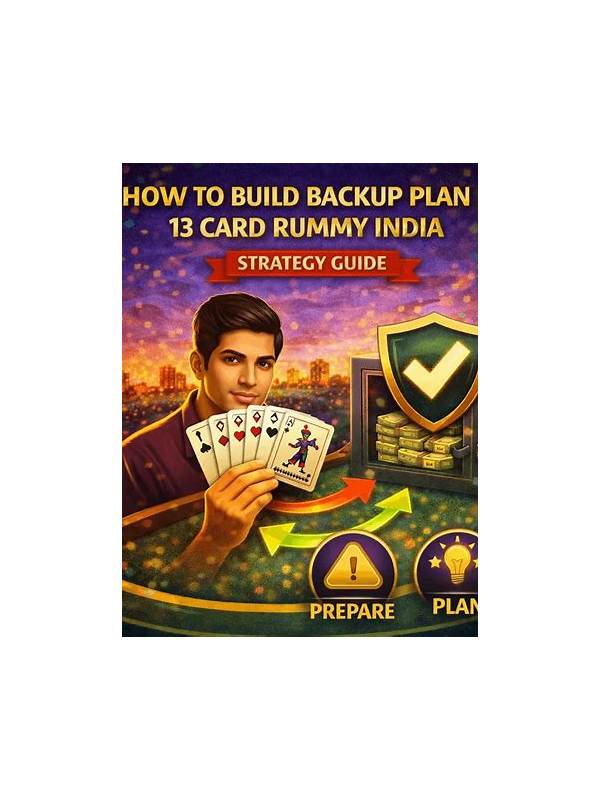
Forward planning asks what a new draw might create. Backward planning starts with the completed hand and works toward the present. It is useful when your cards are almost organized but one or two unmatched cards keep creating uncertainty.
Begin by imagining a legal final layout under the applicable rules. List the groups you already trust, then focus on the unmatched cards. For each card, ask which group it could join and what exact card would make that possible. If the answer is vague, mark it as a discard candidate rather than treating it as part of the finished picture.
Now inspect conflicts. A card may appear to complete one set while also being the bridge for a required sequence. Since it cannot serve both groups at once, choose the route with fewer dependencies and better point protection. If neither route is strong, preserve flexibility temporarily and set a deadline for the decision.
Work backward one turn further. What would you need to hold before the final draw? What should be released now to keep that route open? This question often reveals that a high card is blocking a lower-risk arrangement or that a promising pair has no realistic finishing card.
Use the method only when the hand has enough structure to support a concrete end state. Early in a deal, too many final layouts are possible, and backward planning can become imagination rather than analysis. As the hand narrows, it becomes a useful filter for deciding which cards deserve the remaining turns.
After the hand, compare your imagined finish with the legal groups you actually formed. Note where your backward plan relied on a card being available without evidence. The lesson is not to predict perfectly; it is to make the dependencies of your chosen finish visible before committing to it.
Backward planning is especially helpful when you feel attached to a particular card. Ask what the finished hand would need if that card were discarded now. If a legal, lower-risk arrangement still exists, releasing it may be easier. If the card is genuinely essential, you can keep it for a specific reason rather than out of habit. Either answer is clearer than holding it because it once looked promising. Treat the imagined finish as a guide, not a promise; new information can still justify changing the route. This keeps attachment from turning into a strategy. You are choosing a route because it remains supported, not because it was once attractive.