Rummy Tips for Turning Pairs Into Better Plans
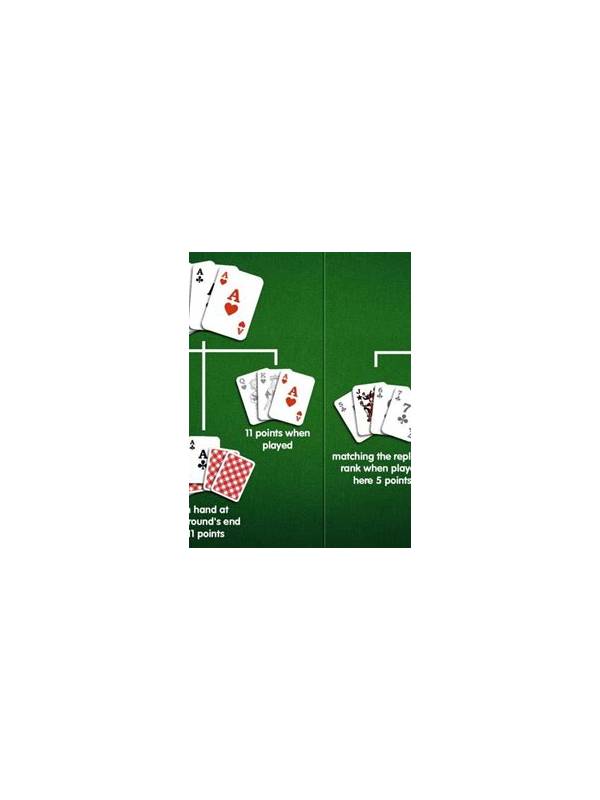
Pairs are common in rummy, but a pair is only a starting point. It can become a sequence, contribute to a set, or remain an expensive distraction. The difference comes from how you evaluate the pair within the rest of the hand.
First, classify the pair by suit and rank. A same-suit adjacent pair has a direct sequence route. A same-rank pair may support a set, especially if a third copy is plausible. A mixed-suit adjacent pair usually needs more help and should not receive the same commitment as either of the first two types.
Second, count the ways the pair can improve. A middle same-suit pair may accept a card on either side, while an edge pair may have only one clear completion. A pair that supports two structures is flexible, but flexibility is not a reason to ignore point value. If it remains incomplete for several turns, its opportunity cost grows.
Third, protect the pair only when the rest of the hand can tolerate waiting. If you already have a confirmed pure sequence and a low-risk group, a promising pair may deserve another turn. If you have several isolated high cards, reducing immediate risk may be more important than preserving every potential combination.
Use a deadline. Decide in advance what evidence would keep the pair in your hand: a matching suit card, a third rank, or a helpful discard. If no evidence appears by the deadline, compare the pair with your weakest independent card. This turns a vague hope into a controlled experiment with a clear exit.
When a pair becomes part of a group, reassess the cards it releases. Sometimes the best benefit is not the group itself but the fact that another card can now serve a pure sequence. The hand should be judged as a whole. A pair is valuable when it reduces uncertainty and makes the remaining declaration easier, not merely when it looks close to completion.
When comparing two pairs, prefer the one that fits the hand’s central requirement and leaves the other cards easier to sort. Do not let a pair’s apparent neatness hide a high penalty elsewhere. The strongest plan often keeps one flexible pair while releasing an unrelated card, then reassesses after the next draw. Small, deliberate changes are easier to evaluate than a complete rearrangement.
If the pair is part of your only realistic pure-sequence route, give it extra attention, but still monitor its deadline. A required structure deserves priority, not unlimited patience. This distinction keeps caution from becoming stubbornness.