Rummy Tips: Separate a Useful Card From a Useful Position
Rummy decisions often focus on card identity: rank, suit, and point value. Position matters just as much. The same card can complete a sequence, block a group, or sit between two plans without helping either. Evaluating its position prevents you from protecting a card merely because it is generally flexible.
Start by placing each uncertain card into every realistic role. A middle card may connect to both neighbors in a sequence, but it might also be the only card that keeps a pair of matching ranks available for a group. A joker can fill a gap, yet using it in one position may leave another section with no legal completion. Write down the role that creates the fewest dependencies and the safest fallback.
Then check the card’s neighbors. Cards close in rank are not automatically a sequence, and matching ranks are not automatically a group. The surrounding cards must form a complete legal structure. A card that sits beside several interesting cards may still have no immediate route if the required suit or rank is missing. Position means relationship, not visual proximity.
Consider the cost of moving the card. If shifting it to one plan forces you to break a confirmed meld, the move needs strong evidence. If it only changes two provisional plans, the move may be cheap and worth testing. This is especially useful when a draw creates a new possibility: assign the new card first, then see which old position has become unnecessary.
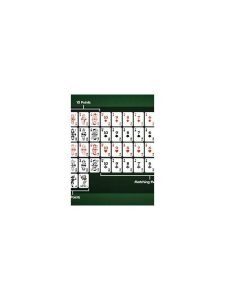
Before discarding, ask: “What is this card doing here?” If the answer is only that it might help someday, give it a review deadline. If it has a specific role with a realistic completion route, keep it for now. This small question turns card evaluation from a ranking exercise into a study of the hand’s actual structure. This idea is helpful when sorting a digital hand. A neat sort by suit or rank can make cards appear to belong together, but the layout is only a display choice. Temporarily group cards by planned role and see whether the route still makes sense. Then restore a layout that keeps confirmed melds distinct from provisional cards. Clear visual separation lowers the chance of accidentally treating a hopeful arrangement as completed. The interface should support your analysis, not make the analysis for you. The useful position may change after every draw. Recheck it rather than preserving an earlier assignment out of consistency. Good sorting supports change; it does not lock a card into the first role you gave it.