Rummy Practice: Compare Plans Before You Compare Results
The problem with result-first review
If a hand wins, players may call every choice smart. If it loses, they may call every choice wrong. This is understandable, but it hides the decisions that actually deserve study. The final result contains luck, opponent actions, and unknown draws. A useful practice review first examines the plan that was reasonable when the choice was made.
Choose a completed hand and pause at three decision points: the opening arrangement, the first major discard, and the endgame. At each point, write the plan you selected and one alternative you rejected. Describe the evidence available then, not the information revealed later.
Use the same comparison questions
For both plans, ask: What group does this support? How many useful draws remain? What happens after a miss? Does the plan preserve a second route? Does it depend on an assumption about another player? These questions create a fair comparison between the selected plan and the alternative.
Next, estimate the cost of changing plans. Breaking a pair may create a sequence opportunity but remove a fallback. Protecting a nearly complete run may reduce the number of routes available elsewhere. Do not seek exact numerical certainty. A simple label such as broad, medium, or narrow is enough if you apply it consistently.
Reveal the result last
After both plans have been described, look at the actual cards and outcome. The result can help you test whether your evaluation was realistic, but it should not replace it. If the rejected plan would have needed one exact card and happened to receive it, mark that as a fortunate outcome rather than proof of superiority. If the chosen plan lost while preserving several routes, it may still have been the better decision.
Repeat this exercise with hands that ended differently. Over time, you will build a vocabulary for decision quality: flexible, expensive to repair, dependent on hidden information, or supported by visible evidence. That vocabulary is more transferable than a list of wins and losses because it describes choices that can appear in the next hand.
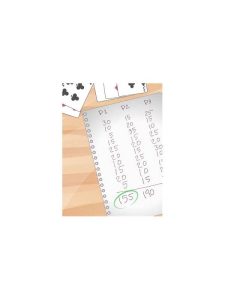
If the review feels difficult, use a plain table with three columns: decision, evidence available, and alternative. Fill it out before checking the final result. Even two or three rows can expose a habit that is otherwise easy to miss. Keep the exercise private and short so it remains a learning tool rather than a second source of pressure.