Rummy Position Guide: Why Turn Order Changes Your Choices
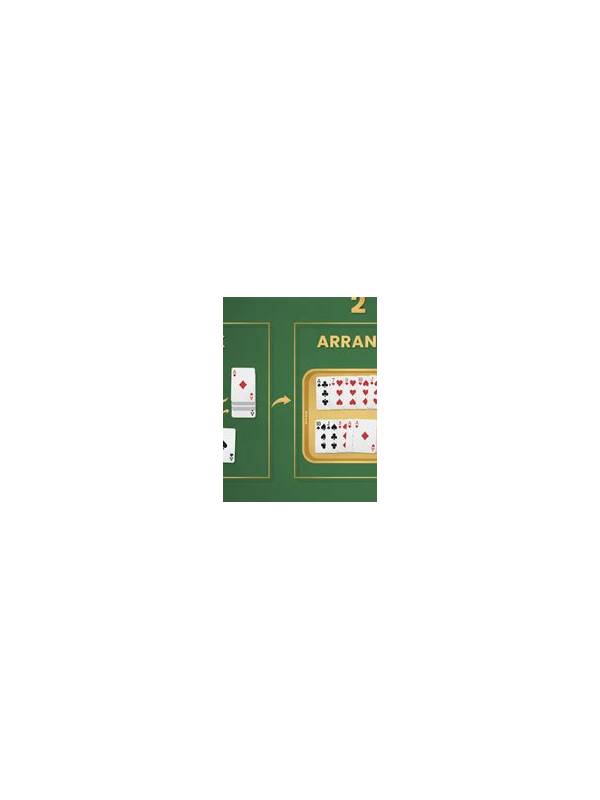
Turn order changes how much information you have before making a draw and discard decision. The cards in your hand do not change merely because you act earlier or later, but the visible choices around you do. Understanding this difference helps you avoid treating every seat as if it required the same plan.
An early position usually offers less information. You may need to choose before several opponents reveal what they are collecting. In that situation, value flexible cards and combinations that can develop in more than one direction. A connected middle card can be useful, but only when it supports a realistic sequence. Do not keep every flexible card indefinitely just because later information might help.
A later position gives you more observations, yet it also creates pressure. Several players may have already removed useful cards from the pile, and a visible discard may be attractive to more than one person. Acting late does not mean waiting without a plan. Review your hand before the turn so that a new card can be judged quickly instead of emotionally.
Position also affects the value of a discard. When many players act after you, a high-point card that you release may be picked up immediately. That is not automatically a mistake. If the card does not serve a valid structure and keeping it creates a large penalty, releasing it can still be correct. The important question is whether you are discarding because the card is genuinely weak or because you have run out of time to think.
Use a simple position routine. Before your turn, identify your strongest confirmed group, your best developing group, and your most expensive unconnected card. Then note whether the recent discards suggest competition for one of your needed cards. Early in the order, prefer a robust plan. Late in the order, use the extra observations to refine the plan, not to invent a new one every turn.
Online tables may move quickly, and opponents may not follow consistent patterns. Turn order is therefore a context clue rather than a strategy by itself. A sound hand still needs a pure sequence, a reasonable secondary structure, and a discard plan. Let position adjust your confidence and timing, while the actual cards remain the foundation of the decision.
You can make position easier to use by preparing one question before every turn: what new information did the last player provide? The answer may be as simple as “nothing reliable.” That is still useful because it prevents you from inventing certainty. When the table offers little information, return to hand quality, point exposure, and legal structure instead of overvaluing the seat.