Rummy FAQ: Can You Use a Joker in Every Group?
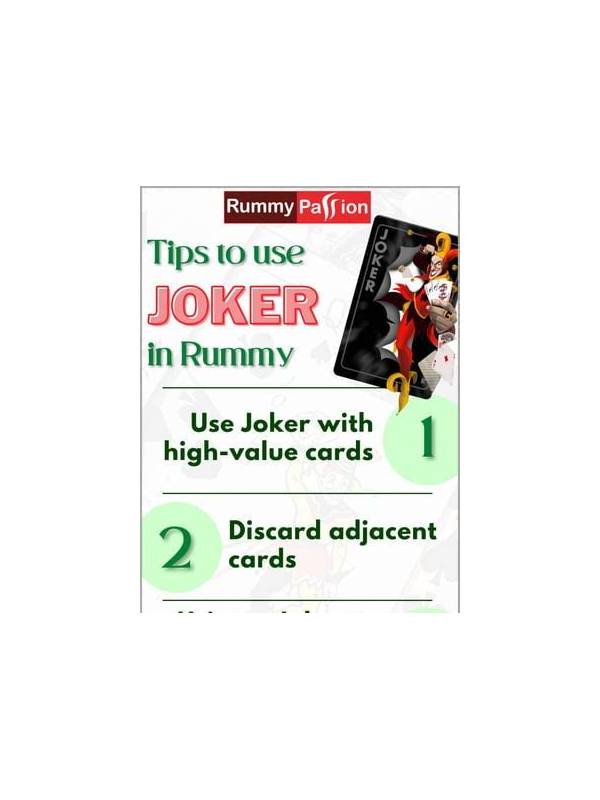
A joker can substitute for a missing card in many rummy formats, but that does not mean it belongs in every group. The exact rule depends on the platform and variant, so check the table instructions before relying on a joker. Strategy begins only after the legal use of the card is clear.
The first question is whether your pure sequence is complete without the joker. If it is not, protecting a legal pure sequence may be the priority. A joker can make an ordinary sequence or set possible, but it cannot always repair a missing required structure. Placing it in a convenient group while leaving the essential group unfinished can create a hand that looks complete but cannot be declared.
The second question is what the joker replaces. Using it for a single missing card in a flexible group may be efficient when the rest of the hand is stable. Using it to cover a large gap can hide several unresolved cards. Compare the joker’s current benefit with the possibility of moving it if a better card arrives.
Joker placement also has an opportunity cost. If a wild card completes a short set, it may free two connected cards for another sequence. In a different hand, the same joker may be more valuable as insurance for an awkward high-point card. There is no universal rule that says sets or sequences always deserve the joker first.
Avoid keeping a joker unassigned merely because you want maximum flexibility. Unassigned flexibility is useful only if it supports a realistic plan. Once one placement leaves the rest of the hand easier to organize, commit it and reassess the remaining cards. Changing the plan later is possible in some interfaces, but relying on last-second rearrangement can lead to errors.
When reviewing a joker decision, ask three questions: Did it help create a legal required sequence? Did it reduce the number of isolated cards? Could another placement have solved a more expensive problem? These questions produce a better lesson than judging the result alone. A lucky draw can make a weak placement look correct, while a reasonable placement can lose because the needed card never arrives.
Remember that a joker may be subject to restrictions on declaration, replacement, or group composition. Interface behavior is not always a complete explanation of the rules. Read the table’s help material before the round, and if wording is unclear, choose a safer legal arrangement or ask official support outside the live hand. Rule certainty is part of strategy.