How to Compare Rummy Hand Plans Without Overthinking
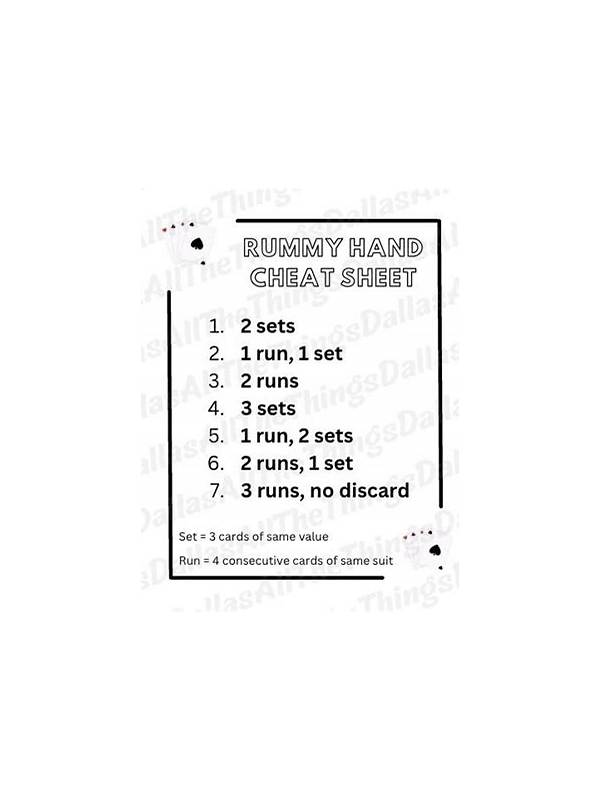
Rummy often presents two workable plans at once. You may be able to build a same-suit run or keep a pair for a set. The answer is rarely certain, but a quick comparison can prevent a vague hope from controlling the hand.
Begin by identifying the cards that each plan still needs. A plan needing one specific card is different from one that can accept several ranks. Count the useful connectors, not just the number of cards already grouped. Flexibility matters because a broad plan can survive more draws and discards.
Then ask whether either plan helps with a required sequence. In many Indian rummy formats, a valid declaration depends on at least one pure sequence, so a plan that protects that requirement deserves special weight. A colorful set may look attractive, but it does not replace the structural condition of the format you are playing.
Consider the cost of waiting. If one plan leaves two expensive cards unconnected, its apparent promise may be misleading. Calculate the points you would carry if the hand ended soon. You do not need exact probability to notice that a low-risk partial sequence is often preferable to a glamorous but narrow combination.
Finally, include public information. The discard pile can show that a desired rank has already appeared, while an opponent’s pickup may suggest that a card is valuable to them. These clues are incomplete, so treat them as a reason to adjust your preference, not as proof that a card is unavailable.
Make the comparison once, after sorting your hand, and then commit for a few turns. Constantly rebuilding around every new card creates confusion and may reveal too much through your discards. Reassess only when a draw changes the shape materially. A two-minute habit of comparing requirements, flexibility, points, and visible information can make choices clearer without making the game feel mechanical.
This method also helps when both plans look equally attractive. Choose the one with the simpler next action and set a review point for the next meaningful draw. A plan does not need to be perfect; it needs to be understandable enough that you can notice when it stops working. If a choice would leave you upset or tempted to chase a result, step away from the table. Clear thinking includes knowing when the session should end. When in doubt, favor a plan that preserves several ordinary draws and leaves fewer expensive cards exposed. It may not be the most exciting route, but it gives you more chances to make a sound later decision.